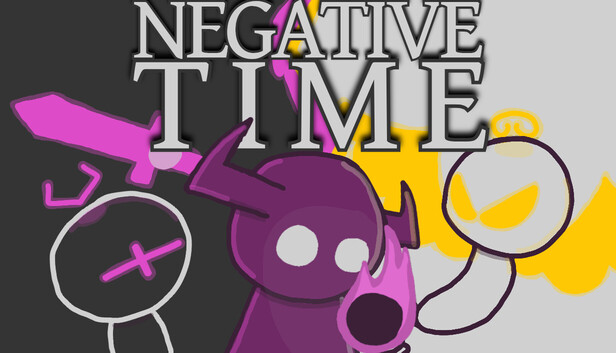
Negative Time Sends You Backward When You Fail. Round Owl Explains Why.

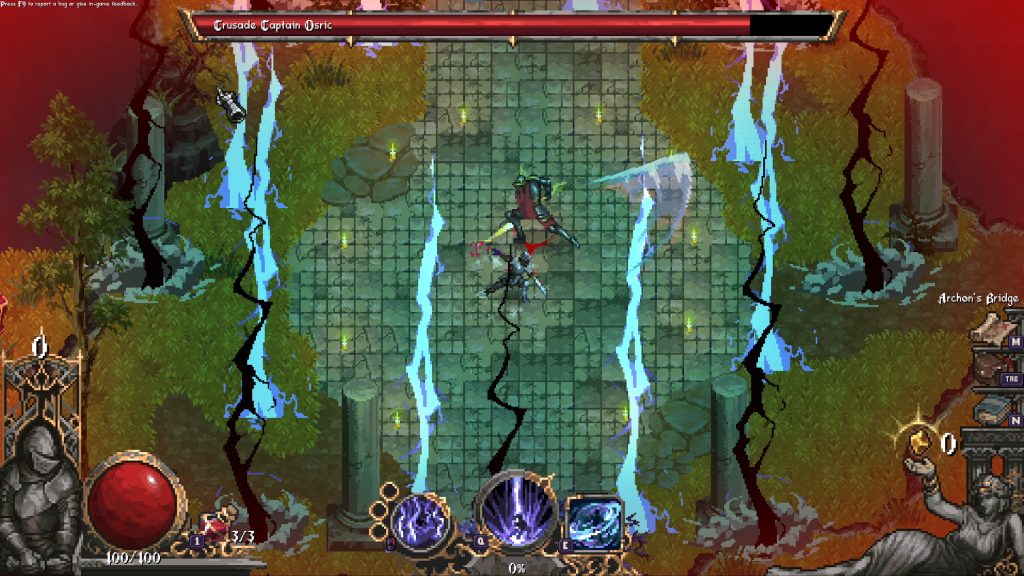
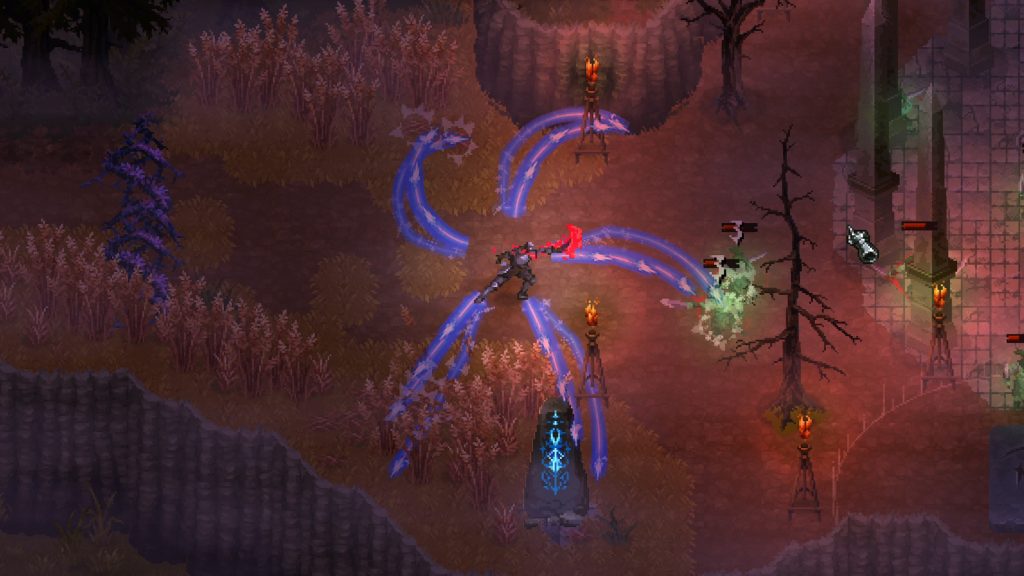
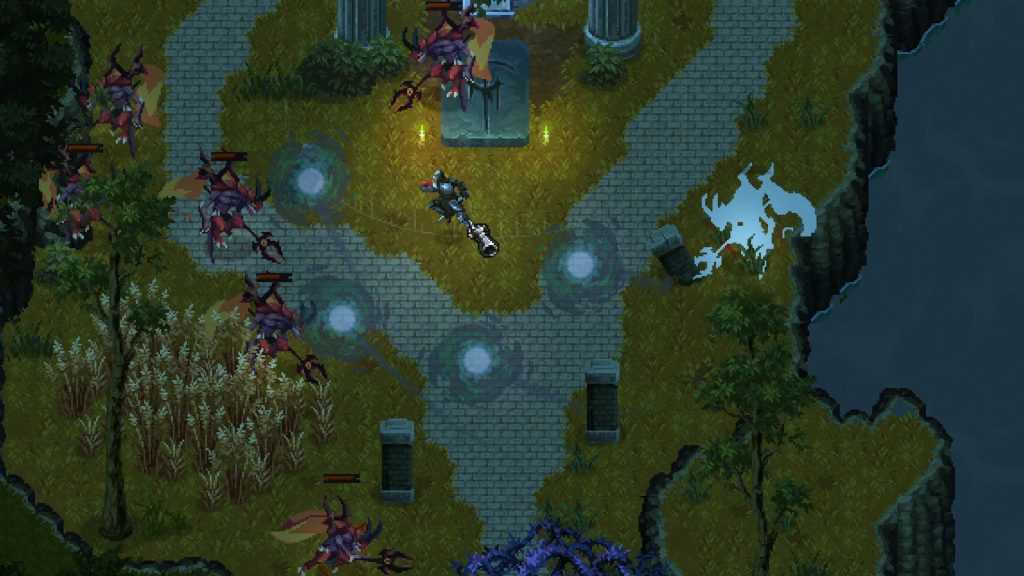
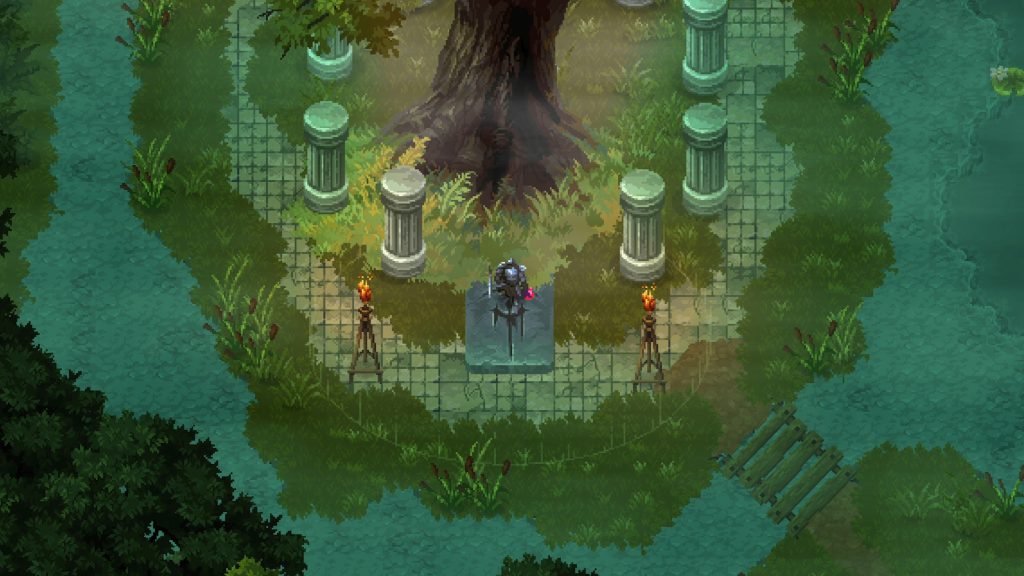
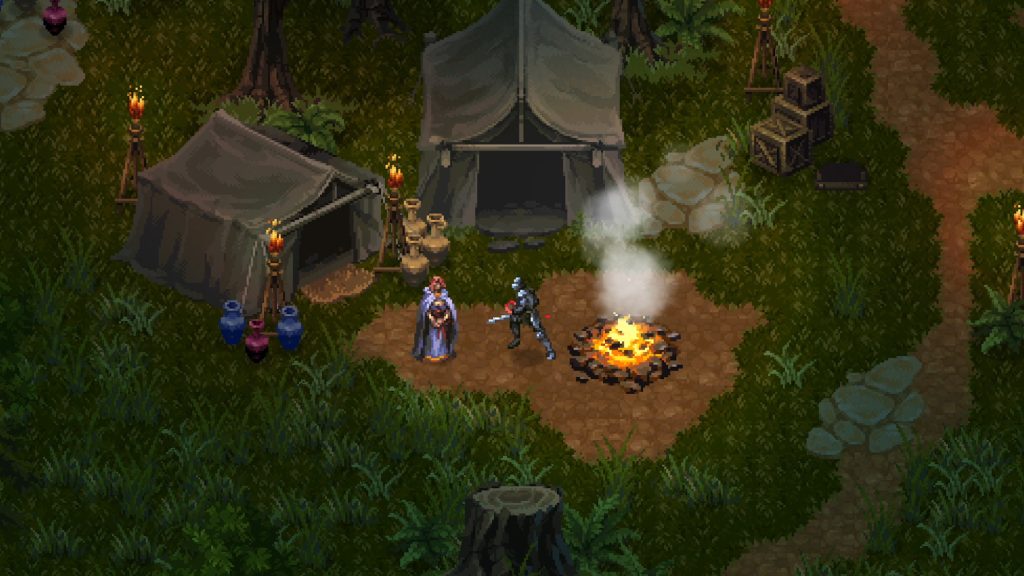
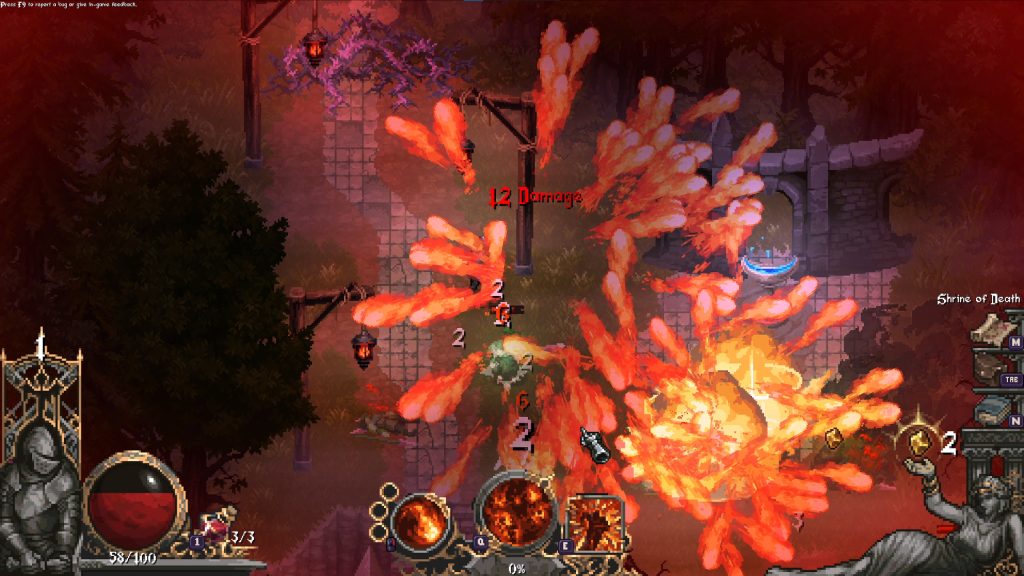
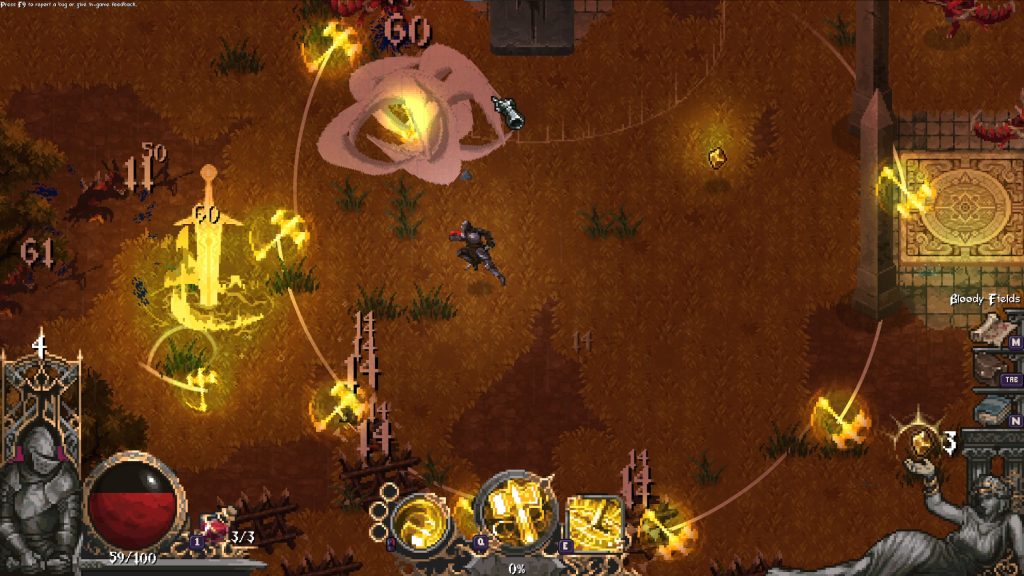
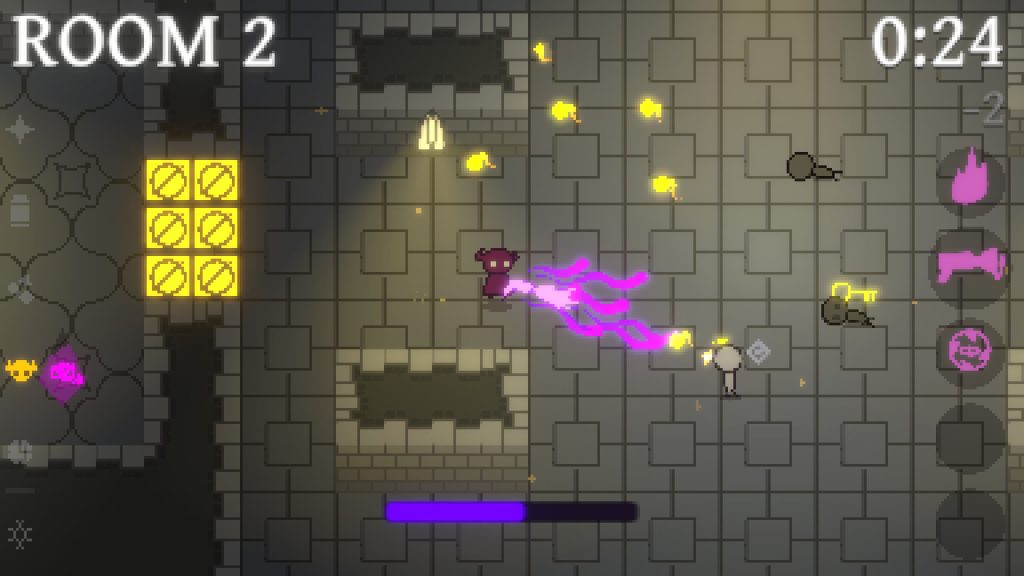
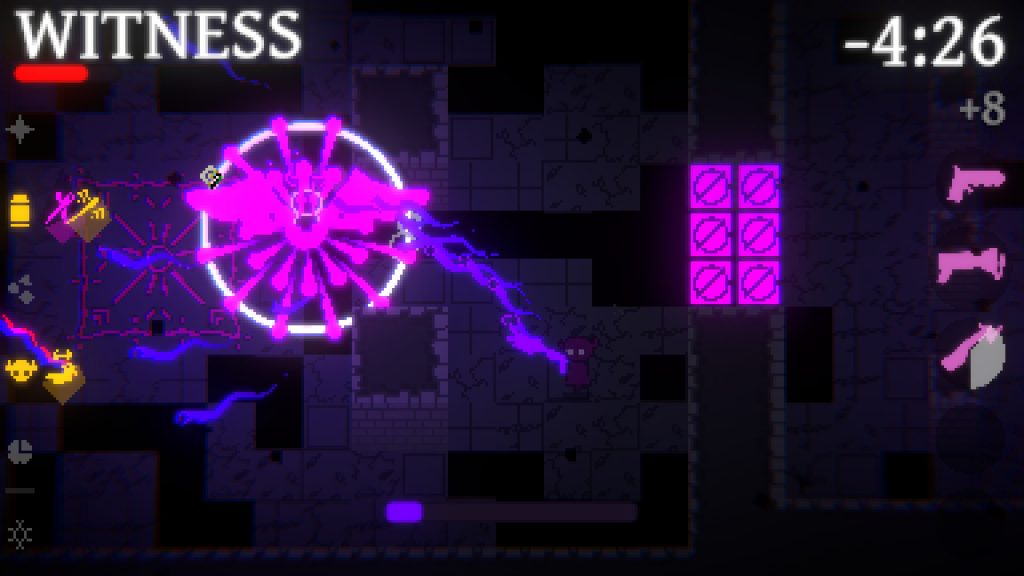
Most bullet hells punish a mistake by ending the run. Negative Time punishes it by dragging you backward. Get hit and the screen pixelates, the clock runs the wrong direction, and you find yourself in rooms numbered below zero, where the enemies are new, the weapons are new, and dying again is the only way back out.

That idea came out of the 2025 GMTK Game Jam, where the theme was Loop and CodeRed and Golden Disguise decided a straightforward time loop would be the most crowded lane in the jam. The two of them make up Round Owl: CodeRed handles the Unity project, Golden Disguise handles the art and, by CodeRed’s own accounting, about 90% of the ideas. What was supposed to be a slightly expanded jam build turned into just over a year of work, picking up a roguelike blessing system, minibosses, a lore archive, and a final cutscene along the way.

Negative Time hits Steam on August 21. For this SDC Highlight, we talked with Round Owl about scope creep, the rewind bug that softlocks the entire game, a balance problem named Wand, and the enduring importance of windows.


What was the original idea that eventually became Negative Time? Was the time-reversal mechanic there from the beginning, or did it emerge later in development?

CodeRed – The original idea for Negative Time came from the 2025 GMTK Game Jam, which is when my dev partner Golden Disguise and I first created the game. The theme that year was Loop, which immediately had us thinking about some kind of time loop situation. However, both of us like making unique interpretations of game jam themes, and having a basic time loop was definitely going to be everywhere in the game jam. We bounced around some other ideas, like a racing game where each time you loop around the track it changes, but eventually I came up with the idea of a bullet hell where each time you die you are sent further back in time, which we both decided to go forward with. So yes, the time-reversal mechanic was there from the beginning.
How long has Negative Time been in development, and how has the game changed during that time? Can you also tell us a bit about the makeup of Round Owl as well?

CodeRed – Negative Time has been in development for just over a year now! The game has grown a lot over the last year, mainly in scope, honestly, lol. Our original hope was to keep Negative Time small. We planned to add just a bit more content to the game jam version and release it around late 2025/early 2026. But instead, we ended up adding a roguelike random upgrade system called blessings, adding minibosses, lore, and more. I’m very happy with the final result, but yeah, scope creep did get the better of us.

And yeah, a bit about us: Round Owl is a partnership between myself (CodeRed, programmer) and Golden Disguise (animator). I’m the one who is in the trenches of the Unity project, while Golden Disguise is the one coming up with 90% of the ideas, while in call watching my shared screen.

What games or other media had the biggest influence on Negative Time? Were there any particular games you looked toward when developing its combat, roguelike structure, or time mechanics?

    Golden Disguise – For combat, I’m not going to act like it isn’t obvious: Enter the Gungeon is a huge inspiration for the moment-to-moment gameplay of Negative Time. In fact, I think I modeled the roll animation directly off of Enter the Gungeon’s.

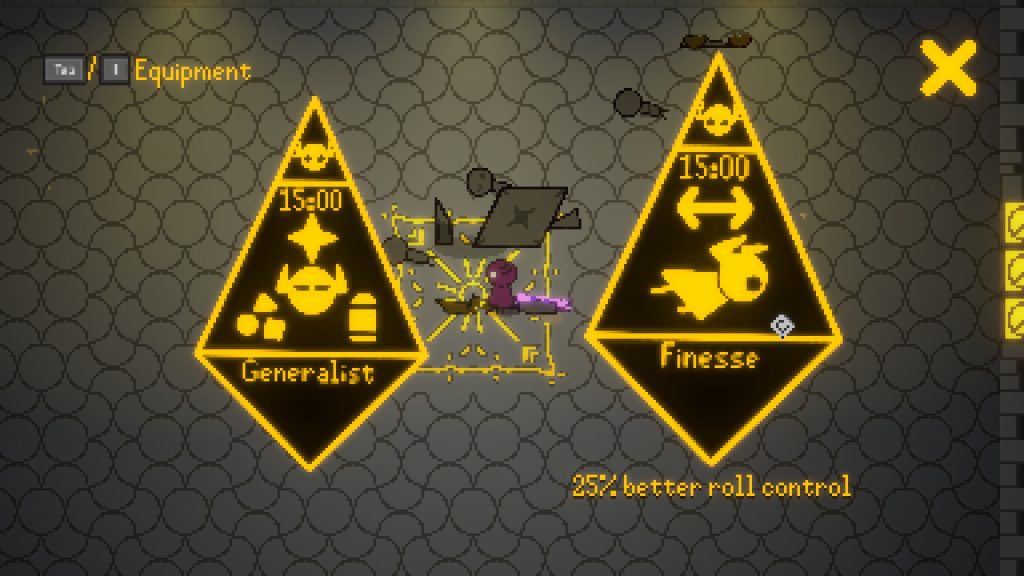
    CodeRed – For roguelike structure, I took inspiration from the way Hades does boons. The different categories of blessings are similar to the different gods who give you their boons, and originally blessing categories were also presented on the ground as items similar to the way boons appear in Hades.
    Playing Negative Time is somewhat reminiscent of classic Flash-era games, particularly its fast-paced top-down action and visual style. Was that era of games an influence at all? Are there any older web or Flash games that had an impact on the game or on you as developers?

    CodeRed – Interestingly, I think Negative Time is one of our games that takes direct inspiration from Flash games the least, at least in terms of visuals with the pixelated look. A lot of our other games, I’d say, look a lot more Flash-like, given Golden Disguise’s art style. However, that doesn’t mean Flash games haven’t affected the game at all. Flash games greatly affected me as a developer, given the fact that my first experience playing video games was through random Flash games. I can’t think of any that directly inspired things in Negative Time at the moment, but some notable Flash games I can think of that I really liked include Ninja Brawl, Lose the Heat, any racing games, and any games on the website Sploder (that’s where I first started making games!).

    The central idea of being sent further back in time every time you’re hit is really unusual. How did you arrive at that mechanic?

    CodeRed – Well, to expand on what I said before, we were originally thinking of doing a bullet hell game where you can save the game, and when you die, the game rewinds to your last save. The lose condition, then, would be effectively getting softlocked due to misplacing a save. I didn’t really like this idea, but I liked the concept of a rewinding bullet hell. I don’t really remember if the idea of going into “negative time” came first, or the idea of being sent further back in time every time you are hit. But either way, one idea naturally led to the other. I instantly loved the concept of a negative area of the game, and the rest is history.
    How difficult was the time-reversal mechanic to implement technically? What challenges came with having the game continually remember and reconstruct previous states?

    CodeRed – It wasn’t too difficult to create an initial working version. The real problem came with expanding it without it becoming a mess (spoiler, it did become a mess). One bug that has plagued the game since its original game jam version involves any error occurring during the frame in which the game rewinds everything. The game goes through and calls functions on any objects with the rewinder component that existed at that time, giving it the state to rewind to. It also calls an OnRewind event. The problem is that if there is any error, like a null reference, in any of these functions, the rest of the rewind coroutine fails to run, resulting in a permanently pixelated screen, since the game has a cool effect where the screen pixelates as you rewind. Obviously, ideally you don’t have any errors to begin with, but it is just really unfortunate that an error that otherwise might not affect anything can cause a softlock because of the way rewinding is structured.

    Did the rewind mechanic create any unexpected strategies or player behaviors during playtesting?

    Golden Disguise – In the initial game jam version of the game, we hadn’t implemented any systems to stop or discourage you from AFKing, and in a game where time is effectively your health, the longer you sit still without risk, the more health you gain, so AFKing was an optimal strategy, which we did not like, because we were intending Negative Time to have a fast-paced escape feel to it.

    Negative Time turns failure into an opportunity to discover new enemies and weapons. How did you approach making failure itself part of the player’s progression?

    Golden Disguise – I wanted to utilize the negative and positive format so that the game never truly has a lose state. If you die in positive time, you go to negative time where you can make permanent progression, and if you die in negative time, you can go to positive time to get more blessings for temporary upgrades, so losing is always a smooth gateway to getting something good.
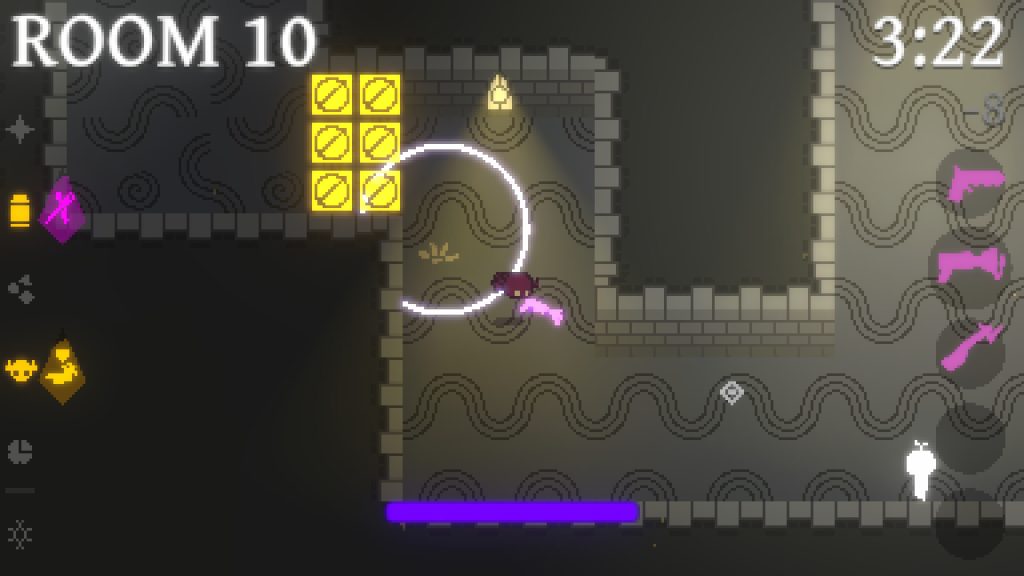
    Were there any weapon, blessing, or other combinations that completely broke the game during development? In a roguelike, how do you decide when an overpowered combination needs to be balanced versus when discovering something broken is simply part of the fun?

    Golden Disguise – Wand. Always wand. It’s one of our favorite weapons, but it has consistently been such a pain to balance. It’s just the way that it interacts so well with every blessing that we had to neuter its base stats just to make it scale worse. Nevertheless, it is still one of the best weapons in the game.

    What changed the most as a result of watching people play Negative Time? Were there any mechanics, encounters, or systems you substantially reworked because of player feedback?

    Golden Disguise – Maybe it’s just me not wanting to change our game based on what other people say. But we haven’t made many alterations due to player feedback. Probably the biggest change is how you used to not be able to roll through the Conductor’s lightning, which made the Conductor a lot harder in a way that I liked but also was poorly communicated and ultimately overly frustrating, so we changed it.

    Was there anything that started as a small experiment or seemingly minor idea that unexpectedly became a major part of the finished game?

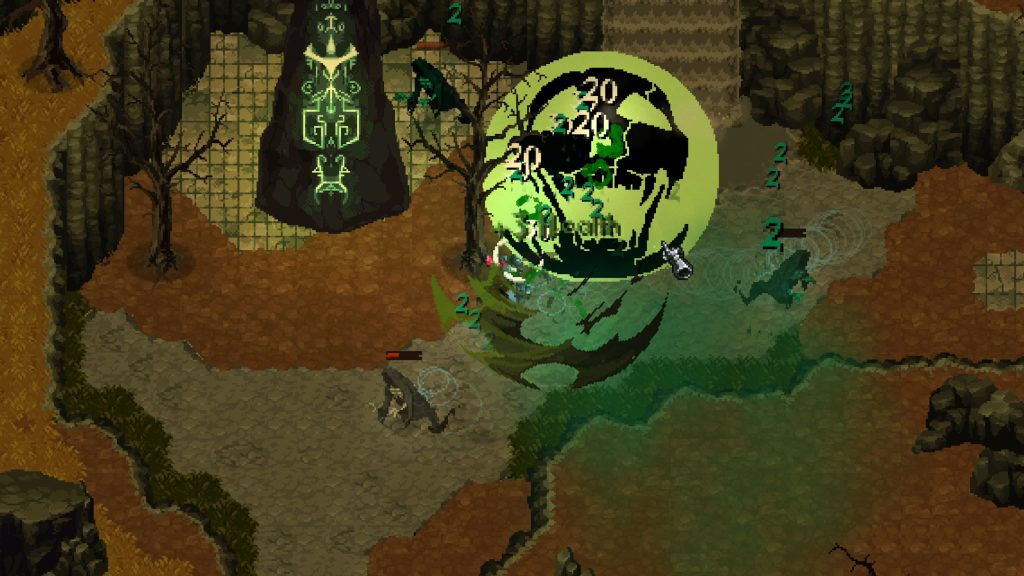
    Golden Disguise – Bullet deletion in general. It was originally just something that we added to Big Block so that it could be a more effective defensive tool. But then we just kept adding it in places; eventually, bullet deletion fields became the signature ability of player blessings, and now certain enemies have them too, and suddenly it’s all over the place.

    What part of Negative Time took considerably more work than you think most players will realize?

    Golden Disguise – Lore took so long to make, between actually making the UI, writing the dialogue, and figuring out the mechanical systems to display the lore. Just coming up with the damn thing took so much time. There were multiple nights where we were just staying up effectively theorizing about lore that didn’t even fully exist. And possibly the smallest thing that took the most time was windows. Yep, that little visual element in every room, manually placed for every room preset. We manually chose each type of window for each room. It took so long for such a small feature, but it was worth it. Windows are great.

    After spending so long developing the game, what has the process of actually approaching release been like for the team?

    CodeRed – Very difficult. We’ve consistently underestimated the amount of time stuff would take while developing this game, and the release has been a struggle because of it. I’ve constantly been in a state of feeling like the release is just around the corner, and so finally settling on a release date and sticking to it feels nerve-wracking. We did many playtests over the course of the game’s development, and I would always work until the last minute to get changes done. The problem would inevitably be that I would break something just before the playtest, and so I am currently trying to effectively have the game “done” by August 14th, so if I break anything last minute, we’ll have a week to fix it. The trick will be actually having the game done by the 14th… Here’s hoping!
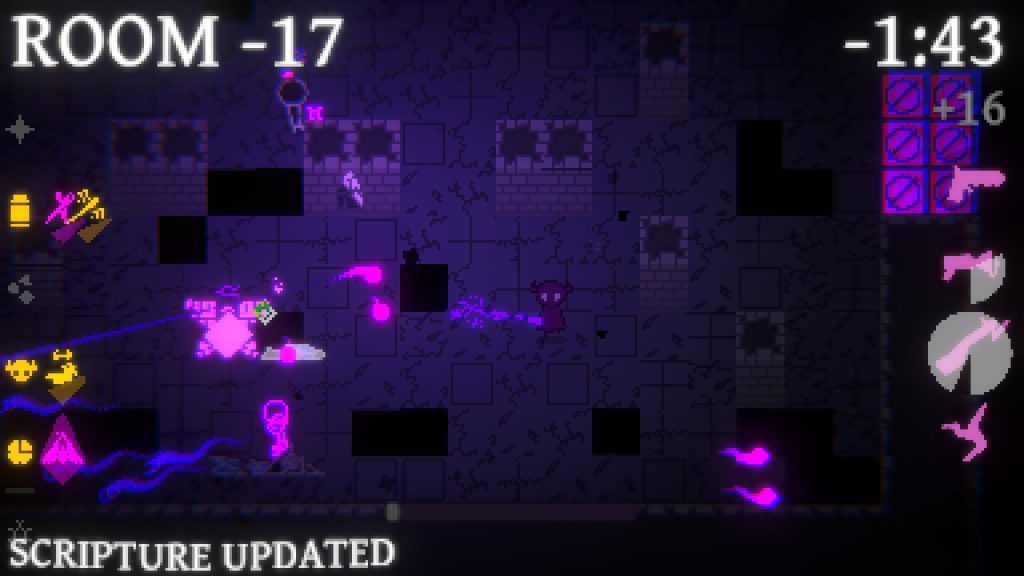
    What is the most memorable bug you encountered while developing Negative Time? Did the time-rewinding system result in any particularly strange ones?

    Golden Disguise – In older versions of the game, whenever you killed a Reclaimer, there was about a 25% chance that they would just revive themselves a few seconds after dying, just deciding to get better. For the rewinding system, the most memorable bug was known as eggnog time. It’s where you would be in negative time, the location, but the timer and how the timer functions would be as if you were in positive time, so we called it negative positive time, which eventually devolved into eggnog time. (There was also the reverse, which is known as Pegnog time.)

    With release approaching, what part of Negative Time are you most excited to finally see players experience?

    CodeRed – The final cutscene. We’ve spent a good portion of the last few months adding lore to the game, which was a completely unnecessary, extra addition I thought of as a high-hopes goal. But we had already taken so much longer on the game than we thought that we figured “why not?” And as with everything else, it took a lot longer than I thought to add, but BOY was it worth it! The final cutscene is only like 30 seconds long, but I LOVED making it. I only hope people will actually get to see it, though, since the game is very, very difficult.

    What do you lean on to keep going when inspiration, excitement, and novelty have all seemed to abandon you?

    Our previous SDC Highlight developer, CLYDE Games of Cursemark (https://store.steampowered.com/app/3219180/Cursemark/), left this question for you.

    CodeRed – It depends, but I’d say a consistent fixation throughout Negative Time’s development that has helped me stay excited about game development is Deltarune. Chapters 3 and 4 came out right around when we first started making the game, and I got SUPER into it. I even got Golden Disguise to play the game for the first time, and some of our friends and I joined in to voice characters. Even though Deltarune is a very different game from Negative Time, it has consistently been a huge inspiration, mainly by just reminding me what I love so much about games, and game creation in general. And I mean… it does have bullet hell elements so there’s that!

    Golden Disguise – I am extremely lucky to not often have to deal with this situation. I am 95% of the time completely obsessed with the game that I am working on, but during the small lows, really, I just tough it out. I know that it will eventually be fun again, and while working on a longer-term project, you aren’t always going to want to work on the project, but sometimes you just have to keep going. (I am not saying that this is a healthy way to handle it, but it is my way.)

    Lastly, what question would you like to ask the next developer featured by SDC?

    CodeRed – I’ll let Golden Disguise figure that out. 🙂

    Golden Disguise – I know that this isn’t a very game dev-related question, but I would love to know what game they have stopped playing yet still hold dear in their heart. For me, that game is Halo.


    Round Owl leaves the next SDC Highlight developer with a question that has nothing to do with game development and everything to do with why people make games in the first place: what game have you stopped playing but still hold dear? For Golden Disguise, it’s Halo. Thanks to CodeRed and Golden Disguise for taking the time this close to launch. Negative Time releases on Steam on August 21, with development updates on CodeRed’s YouTube channel and a Discord that’s open if you find something broken or just want to argue about whether Wand is still overtuned.
    Building Cursemark, One Cracked-Out Rune at a Time

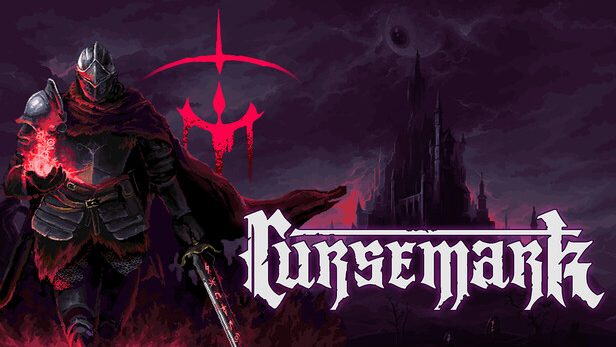
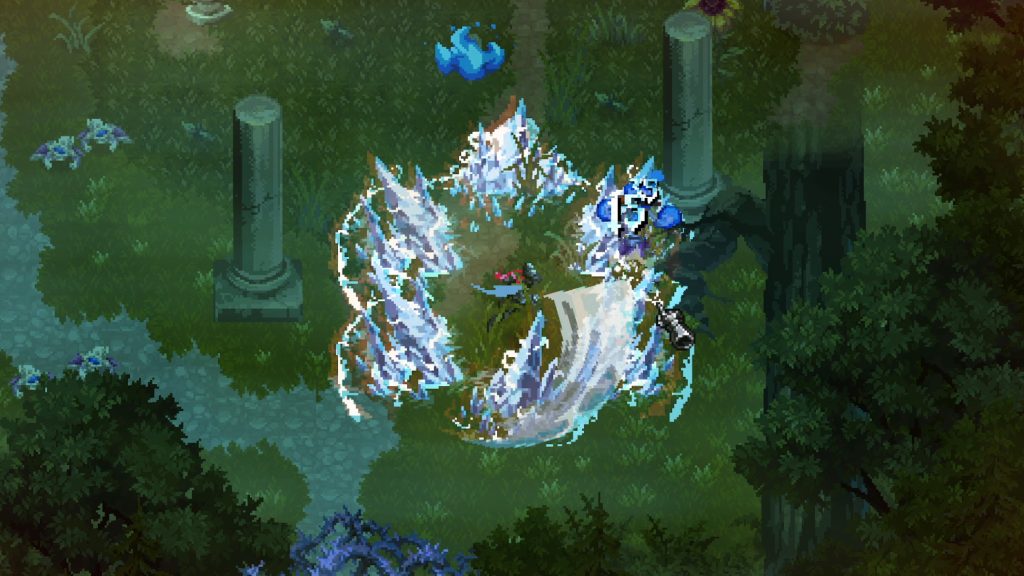
    Cursemark is a roguelike ARPG set in a hand-crafted world, where every run has you forging unique spells and slowly uncovering the layers of history buried in its landscapes. Built at Clyde Games and freshly signed with publisher Mad Mushroom, the project carries forward hard-won lessons from the studio’s previous title, Into the Necrovale. We talked about combat design, run variety, the rune-based melding system, and the National Parks road trip that shaped the game’s world for the latest entry in our SDC Spotlight series.

    How would you describe Cursemark to new players discovering it for the first time?

    It’s a strange brew. A roguelike in a hand-crafted world. In the game, you’re crafting unique spells each run and slowly exploring this world.

    Cursemark recently announced its partnership with Mad Mushroom. Congratulations! Securing a publisher is a huge milestone for any indie project. How did your collaboration with Mad Mushroom begin, and what made them the right fit for the game?

    Thanks! I actually reached out to another dev (the one making To Kill a God) to see if they’d want to bundle, since our games have some overlap. Their publisher, Mad Mushroom, was interested in our game too, so we got to talking. They seemed to really get what we were making, and they have some serious firepower they can bring to promoting the game. So it was a good fit.

    Your previous title, Into the Necrovale, shares some DNA with Cursemark, both top-down pixel-art roguelikes with a combat focus. In what ways did developing Necrovale shape or influence Cursemark?

    My explicit goal is to stay within a genre, explore that space, and evolve my ability to make that sort of game, which is roguelike/ARPG hybrids. I learned a lot of lessons during Necrovale that are coming to bear here, since that game had some fundamental problems I couldn’t fix. I have a much better understanding of resource economies now, and how to allow “broken builds” without letting the game become “solved.”

    Was there any specific community or player feedback from Necrovale that directly informed new mechanics or design decisions in Cursemark?

    Yeah. The coolest mechanic in Necrovale was “melding,” where you could fuse two (and eventually three) items together to make wholly new ones with properties from both. I took that concept even further here with the rune system. Now, on top of your base spells, you can socket in runes that confer new properties, so you’re essentially building new spells each run. It’s a cracked-out melding system.

    The fantasy-meets-heavy-metal pixel art direction is very striking. What is your art workflow like at Clyde Games?

    Honestly, I’m not a great artist. I think I have a good eye for creating atmosphere, but it’s my artists who are actually making something that looks amazing. I was quite lucky to team up with a couple of heavy hitters for Cursemark: Adam Ferguson and David Stuart.

    What were some of the inspirations behind the enemies, weapons, and the protagonist’s look?

    We started by discussing the lore and themes of the world, and tried to grow the types of magic, the protagonist’s look, and the enemies out of that. But we treat most lore as invisible, and try to let it manifest in second- and third-order ways instead of lore-dumping on the player. The goal is to make a world that feels very lived in, with layers and layers of history.

    What were the core pillars you established early on for the combat system?

    The core system I devised goes back to a problem I had in Necrovale, which is that projectile-spam builds nearly always dominated. All roads led to projectile spam. I realized that was because creating projectiles was free and easy, with no cost to it, while there’s a huge cost to melee because you’re risking your hide. So I made a system where you generate energy with melee attacks and then spend that energy on spells (usually ranged). That means you have to get into the thick of combat to charge your spells up.

    Roguelikes can be difficult to balance, especially when combining randomness, progression, and player mastery. How do you approach difficulty tuning and run variety in Cursemark?

    The core solution is in the design of the game itself. Anything that empowers you is a transient resource; you lose it when you die. The goal is for the player to have a transformational experience each run. They start out evenly matched with the enemies, and then begin an arms race with them. So when things go well, you can absolutely trash the enemies. My second method for balancing is fairly detailed gameplay analytics. That helps me find power outliers (in both directions) and see the results of any changes I make in an objective way.

    Are there any new mechanics or systems in Cursemark that weren’t possible during Necrovale’s development due to time, tech, or experience?

    On the theme of sticking with a genre and evolving my abilities, I was able to spend a lot of time improving the visual element of the game. I got into shaders and started learning them so I could give the game a higher level of polish. I was also able to significantly build out my internal tooling, which I see like compound interest. The more I invest in that sort of thing, the more I get back over the long term.

    The game places heavy emphasis on curses, relics, and upgrades. How do you make sure each run feels different while still keeping the experience fair and skill-based?

    It’s tough, and honestly I don’t feel I’ve perfected this yet. But the goal is to have such an insanely deep pool of Runes and Talismans, all interacting in fascinating ways, that people can spend a lot of time discovering the nuances of the system and what’s possible within it. And going back to design accommodating balance, ideally the game doesn’t need to be perfectly balanced. Break the game! That’s sort of the goal. But the overall design has to accommodate that breaking without breaking itself.

    What’s one mechanic or feature you’re especially excited for players to discover once they get deeper into the game?

    In Necrovale, players took the systems I built way farther than I ever imagined. They were making builds that released swarms of hornets, turning themselves into a V2 rocket and shooting around, getting their DPS into the trillions. I want similar things here. I’m trying to create a play space that’s vastly larger than the design space.

    Many roguelikes lean heavily on systems over story. How do you strike the balance between strong gameplay and a compelling world?

    In my opinion, melding story and gameplay was figured out decades ago by Myst. The formula is that 95% of the story has already occurred. In playing, you’re seeing environmental clues to reconstruct and understand what has happened. Then, when your understanding comes together, you are the X factor in completing the last 5% of the story. Dark Souls took this formula and used it perfectly. I want to do similar things here. The act of playing and witnessing the world is to relive the story of the world.

    How long has Cursemark been in development so far, and how has the project evolved compared to your early prototypes?

    About a year and a couple of months, I think. It took about six months of tinkering to find the right formula; I tried a huge number of different ideas. At first the game was about alchemy, and discovering secret properties of objects by combining them. Then it was a game where there was just a big infinite plane that you explore. Eventually I started leaning more toward an exploration element, because my heart was really drawn in that direction. I started thinking about Zelda 1, and how it achieved a great sense of exploration without amazing vistas or anything, just a great sense of possibilities and good design.

    As a team, how do you divide responsibilities at Clyde Games? Is Cursemark a solo-heavy project or more of a team collaboration?

    I do the core programming and design, and I kind of keep final say on things to try and keep everything coherent. But my artists really bring the visual direction, and a lot of great design ideas as well.

    Now that you’re partnered with a publisher, how has it changed your day-to-day workflow or long-term planning?

    It’s basically let me actually breathe and refocus on what I do. In making indie games, the “peripheral” tasks just keep building up more and more: marketing, communicating, organizing, and so on. With some funding and support, I can bring the actual design of the game back into focus. In the end, that’s the only thing that really matters: is the game fun or not.

    Have you received any early feedback from playtests or closed demos? What surprised you the most about how players interacted with the game?

    Yeah, I get tons of feedback. I built a feedback system into Necrovale that I use here as well. It’s a massive help for seeing what players are thinking and frustrated by. I’m always surprised by how in-depth players come to understand a game, and all the little quirks of its mechanics and world.

    What does the current roadmap look like? Upcoming features, planned content, milestones, or things you’re especially excited to reveal later?

    Now that I have the publisher deal, my current goal is to really get into the core combat experience and improve it. It’s not my strength (I like making crazy systems players can experiment with), so it deserves more time here. I’m pretty excited about that, though it’s not exactly very sexy.

    What’s the best way for players to follow development, support the project, or get involved with Clyde Games’ community?

    If it looks cool, wishlist it and follow it on Steam. I’ll keep everyone updated there. There’s a demo you can try now.

    Before we wrap up, here’s the final question passed forward from the previous SDC Spotlight developer, The Wacy, developers of Beat, Heart, Beat: Has a real-life experience or piece of non-game media influenced or inspired your work in some significant way? If so, how do you think your design philosophy, aesthetics, etc. have changed as a result?

    Awesome question. A few years ago I built out a camper van, and my wife and I traveled all across the US visiting the National Parks. The world design in Cursemark is very inspired by those beautiful places. For instance, the swamp is inspired by the Everglades. The Badlands are inspired by Death Valley (wait, why does the real place have a cooler name than my fantasy place?). The desert area is inspired by Zion National Park. An urge to share that sense of beauty with people in some form has really shaped this project.


    Cursemark is on Steam now. You can play the demo, wishlist the game, and follow along for development updates straight from Clyde Games. Thanks to the team for taking the time to talk with us, and stay tuned for the next SDC Spotlight, where we’ll be passing this developer’s question forward to the next studio in the series.

    The Student Showcase at CCS 2026!

    SDC has proudly offered free booths to students, high school-aged and below, at the Capital Creative Showcase and this year we are continuing that mission! When we first started CCS, our mission was simple — to celebrate the creativity, talent, and passion of local developers and to help them share their work with the world. The event quickly became Sacramento’s biggest celebration of indie games, art, and interactive experiences, providing a stage for developers to connect with fans, publishers, and each other.

    However, as CCS grew, we realized that we were leaving out a vital part of our creative community — young, aspiring developers and creators who hadn’t yet reached college. These students are the next generation of innovators, designers, and storytellers. Many of them are already building impressive projects through school programs, coding camps, and independent efforts, but they often lack opportunities to share their work publicly or gain feedback from real players and professionals. We wanted to change that.

    That’s why this year, we’re massively expanding our Student Showcase! We’ve reached out to even more local high schools, after-school programs, and coding education camps, inviting them to take part in CCS 2026. This expansion is about more than just giving students free booth space — it’s about giving them a platform to be recognized, to network with working developers, and to see firsthand that game development and creative technology are viable, exciting career paths.

    At SDC, we’ve always believed in fostering the next generation of creative talent, not just through CCS, but also through our PGJED (Progressive Game Jam Education) program — a hands-on educational initiative that introduces students to real-world game development practices. Through PGJED, students get to experience what it’s like to plan, build, and iterate on games in a collaborative environment, guided by experienced mentors from the industry. The Student Showcase is the natural extension of that mission — a chance for these young creators to step into the spotlight and share the results of their hard work.

    Whether you’re a teacher, a program organizer, or a student developer working on your first big project, we’d love to feature you at CCS! This is your chance to share your creativity, learn from peers and professionals, and be part of Sacramento’s growing creative community.

    If you are a student developer still in high school or below, or if you’re submitting on behalf of multiple students as part of a school or organization, please contact:
    đź“§ ccsregistration@sacdevcollective.org

    You’ll receive instructions on how to proceed with your application and your 100% student discount code.

    When emailing:

    • For organizers: use the subject line: Student Showcase – [Your Organization Name]
    • For individual students: use the subject line: Individual Student – Student Showcase – [Your Name]

    Reminder: This discount code is available for students in elementary through high school, as well as for student organizers, per certain conditions.

    We can’t wait to see what you’ve been working on and to celebrate your creativity at Capital Creative Showcase 2026, happening May 9th at The Jones Hall @ The Grounds in Roseville!

    For more information about CCS, check out the website here!

    CCS Steam Event – First Ever!

    For this year’s Capital Creative Showcase, SDC is doing something completely new — a concurrent Steam Event!

    The inspiration came from our friends at OffBrand, who ran a similar Steam Event alongside their in-person game showcase. When we talked to some of the developers who participated, they all said the same thing: the Steam event was a huge boost to their visibility and wishlist numbers. We immediately saw the potential.

    Increasing a game’s visibility on Steam is one of the most effective ways to grow your audience and turn convention hype into real, long-term momentum. And that’s what CCS is all about — helping developers get more eyes on their work and giving them every opportunity to succeed. The Steam Event will run during the same weekend as CCS, allowing people all over the world to experience what’s happening here in Sacramento.

    If you’d like to be included in the CCS Steam Event, all you need to do during booth registration is select that your game has a Steam page and paste the link to it. Once everything is submitted, you’ll later receive a confirmation email directly from Steam regarding your participation.

    Even better — you don’t need to be an on-site exhibitor to join the Steam Event! Developers who can’t attend CCS in person are still welcome to submit their games for inclusion. The more games we have in our submission list, the better our chances of being approved for the Steam event — and the stronger our local dev scene looks to the global audience.

    Check out the CCS Website to apply!

    Raybounder | Spotlight Interviews

    Hello! This week, we’re shining a spotlight on indie developer zilard, creator of the puzzle game Raybounder. What began as a GMTK Game Jam entry in 2020 has since grown into a fully fleshed-out project, featuring more than 60 levels of puzzle-platforming built around a unique mechanic: using laser recoil to move. In Raybounder, players control a robot armed with a laser gun, using its blasts not only to solve puzzles but also to propel themselves across increasingly complex and creative challenges.

    We sat down with zilard to talk about the game’s inspirations, the challenges of solo development, and what’s next for both Raybounder and its creator.


    For those who may not know, can you give us the quick pitch for Raybounder?

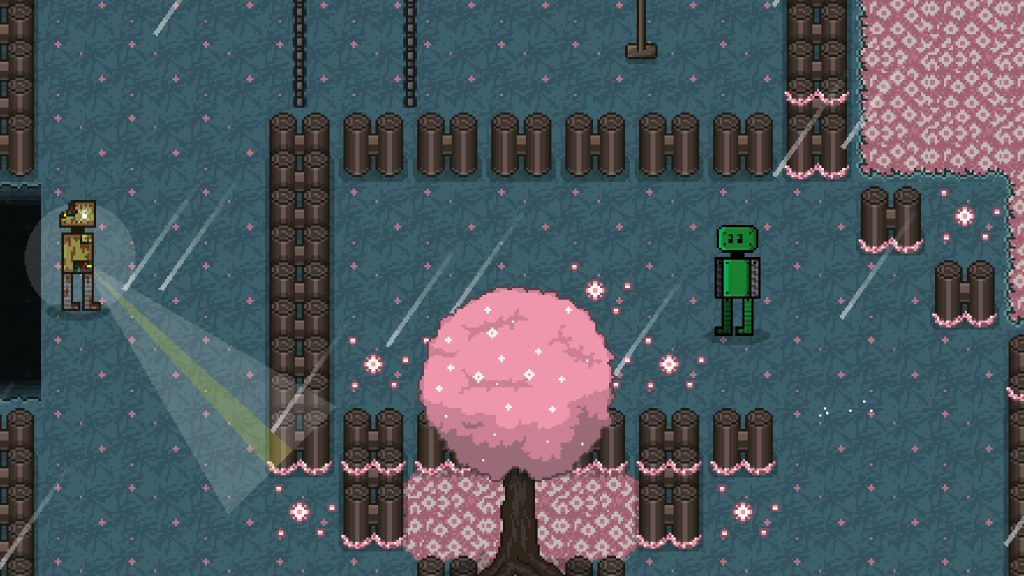
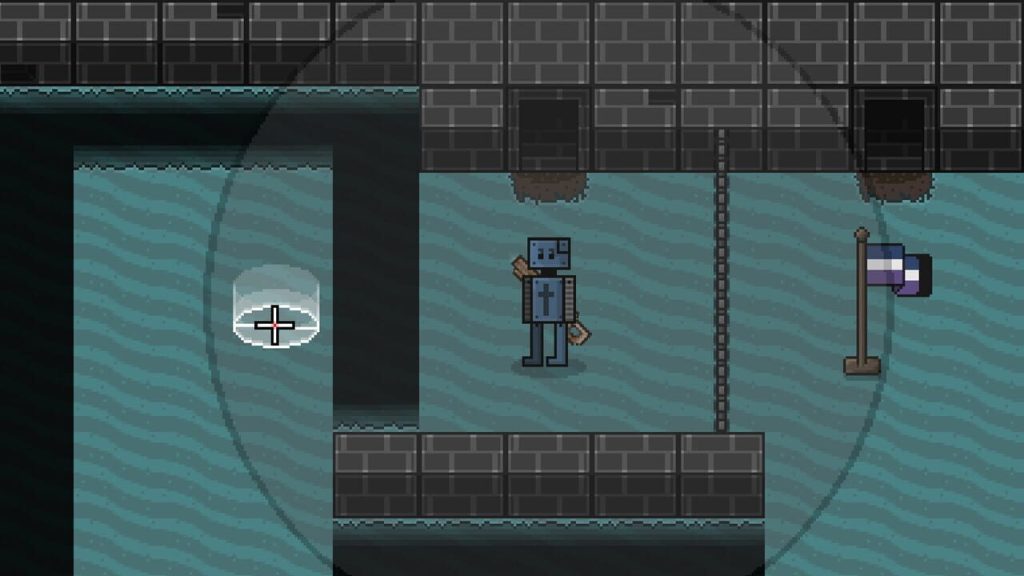
    zilard: Raybounder is my passion project of about 2.5 years. It’s a top-down puzzle game where you play as a robot with a laser gun. When the gun fires, the recoil pushes you around the level. You need to use that movement to dodge obstacles, open paths, and ultimately guide both the robot and its laser safely to the end.

    What inspired the game’s unique mechanic and puzzle design?

    zilard: The game started as a GMTK Game Jam entry back in 2020 called Gun Control. At the time, I was going for something like “golf, but with guns.” Players enjoyed it and wanted more levels, so I decided to expand it. I’d also say old Flash games I played growing up definitely influenced the menus and presentation.

    I definitely got those vibes—when I played, it reminded me of sites like Miniclip or Newgrounds.

    zilard: Exactly. All those hours on Coolmath-Games must have stuck with me. A lot of playtesters mentioned the same thing.

    Did any particular game or piece of media influence Raybounder more directly?

    zilard: The art style owes a lot to my time making levels for Knytt Stories. You can see that evolution from my first game, Much Ado Mountain. Mechanically, I think Raybounder is fairly unique, but I’ll give a shoutout to Theyest Thou—the only other game I’ve seen with a somewhat similar concept, which actually came out right around the time I made Gun Control.

    How did you first get started in game development?

    zilard: Honestly, it goes back to when I was a kid discovering Roblox. Realizing that all these games I was playing were made with this weird language called Lua really piqued my curiosity. From there, I just loved making stuff for me and my friends—Roblox places, Minecraft mods, Scratch games, Knytt Stories levels. Eventually, I started joining game jams. It’s been a long journey, but Raybounder has definitely been the most rewarding project yet.

    Were there any mechanics or ideas that didn’t make it into the final game?

    zilard: Oh, plenty. Early on, I thought about adding different weapons and attachments—I leaned too far into combat before remembering it was supposed to be a puzzle game. I dialed it back and focused on doing more with less, like combining pushable, destructible, and hazardous objects into the TNT blocks you see in the final version. I’ve kept a lot of unused ideas in my pocket for future projects, though.

    With over 60 levels, how did you keep the design fresh and engaging?

    zilard: There are quite a few distinct mechanics—wind, ice, lightning, and more. Even with 60 stages, I feel like I only scratched the surface of what’s possible with them. I tried to avoid repeating the same combinations and made sure each area had a unique setting so that every level felt fresh.

    A lot of stages also blend traditional logic puzzles with precision-based challenges. That mix kept things varied. My goal was always to have players asking for more, not wishing it was over.

    How has the reception been so far?

    zilard: Really positive! Making a game solo is a lonely process, and for years I wasn’t sure if what I had was even good. But the players who’ve tried it seem happy with it—even if some levels frustrate them a little, haha.

    Raybounder has been such a great learning experience. I’ve grown as a designer and artist through it. While I’m excited to move on to new projects, I think the game deserves more love. I’m planning to release some DLC in the coming months.

    Were there any levels you found especially rewarding to design?

    zilard: Definitely. Once I made the level Scrap Metal, which features yellow robots, I realized I had something special. Before that, the game was entirely strategic—you could always repeat the solution once you knew it. But when I added time-sensitive situations, players had to execute actions under pressure. That layer of precision really changed the direction of the game.

    As we wrap up, let’s end on something fun: what’s your favorite fast food meal?

    zilard: I’m sorry to say, I have a really good answer for this… at Wingstop, a Spicy Korean Q Chicken Sandwich (with pickles), an order of voodoo fries, and a diet Dr. Pepper. TOP TIER!

    Love it. And what question would you like to pass along to the next developer we interview?

    zilard: My question for our subsequent interviewee: What is the most memorable bug you encountered while working on your game?

    Finally, where can people follow your work?

    zilard: You can check out my site at zilard.net—though it’s still under construction. On social media, I’m on X at @zilardian and on YouTube at @zilard. That’s about it—I’m not much of a content creator, haha.

    Interviewer: Thank you, zilard! Best of luck with your next project, and we look forward to seeing what you create next.

    Raybounder can be bought on Steam now!

    Progressive Game Jam Is Back: Sacramento Starts Building Again

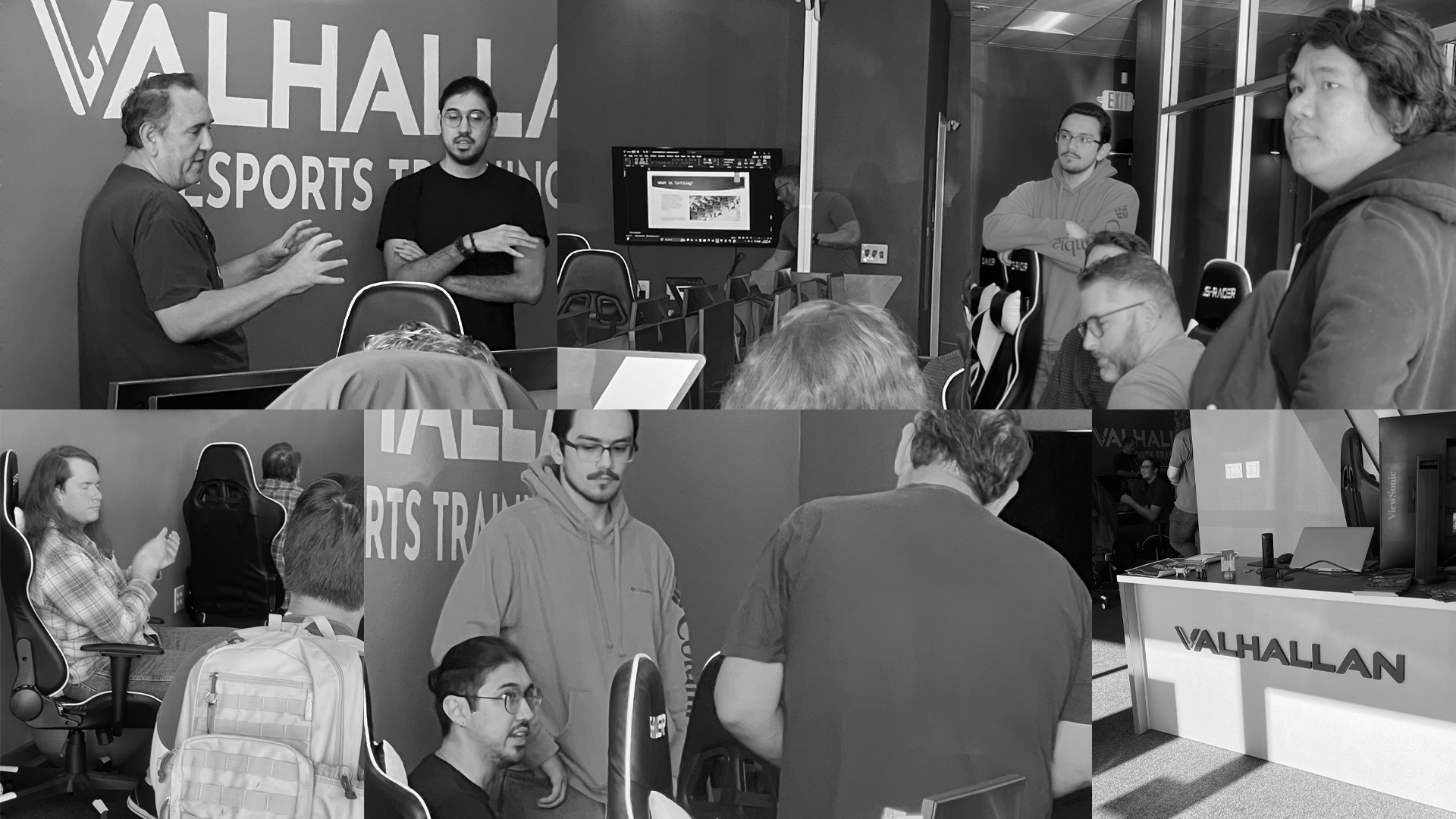
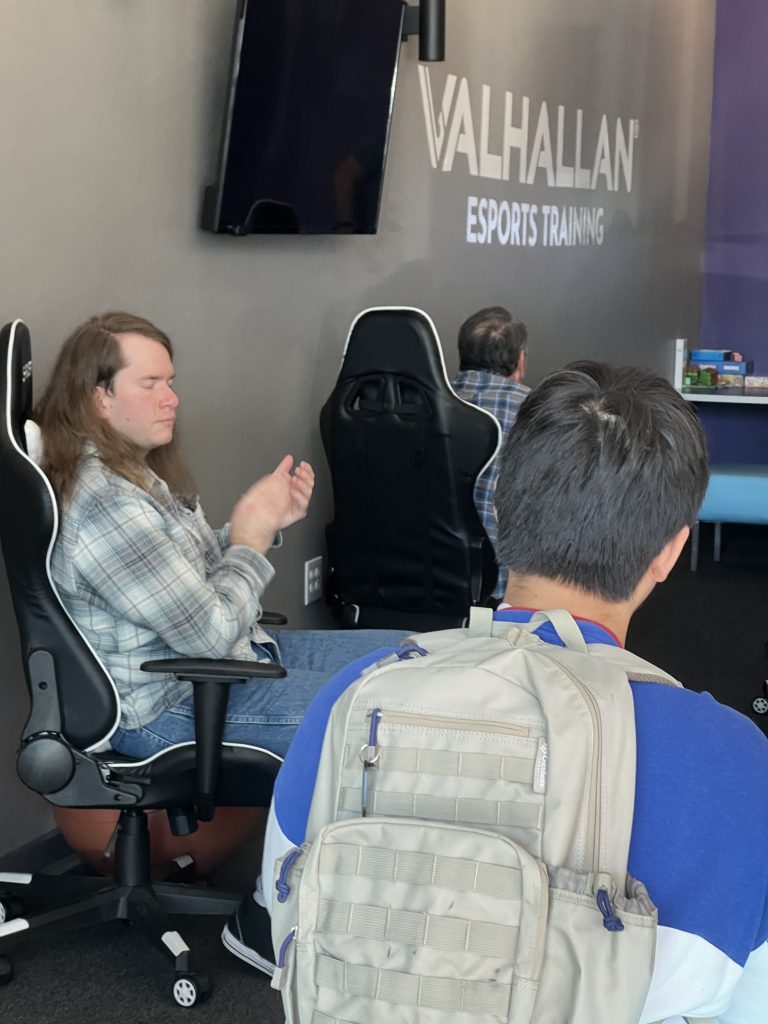
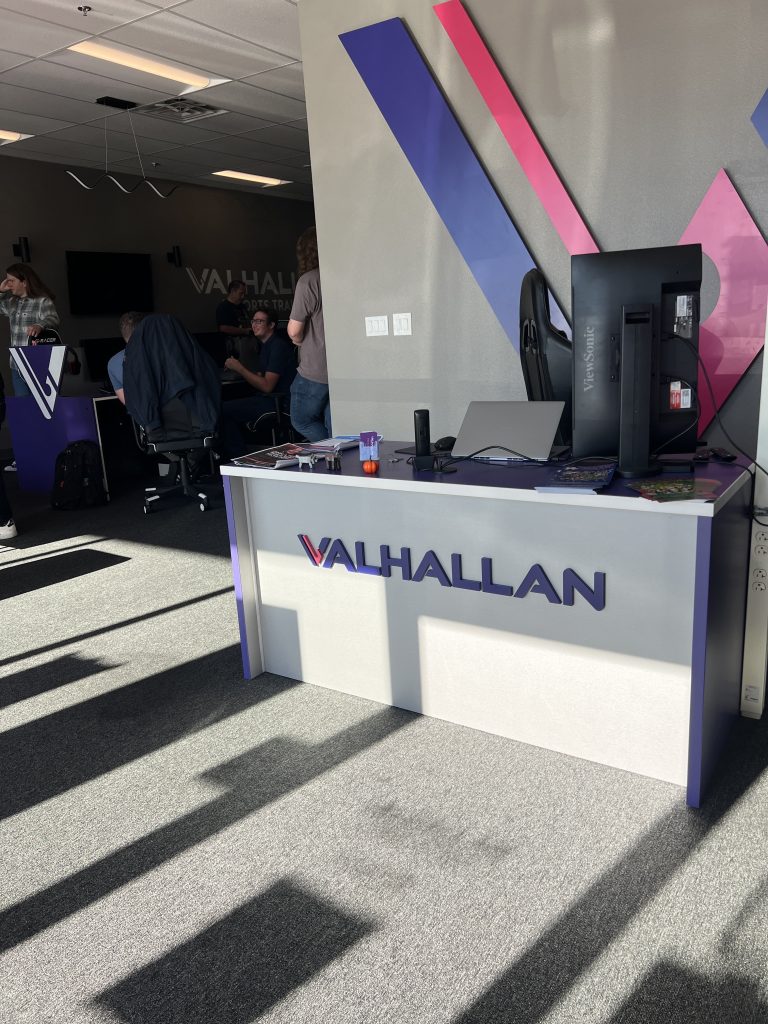
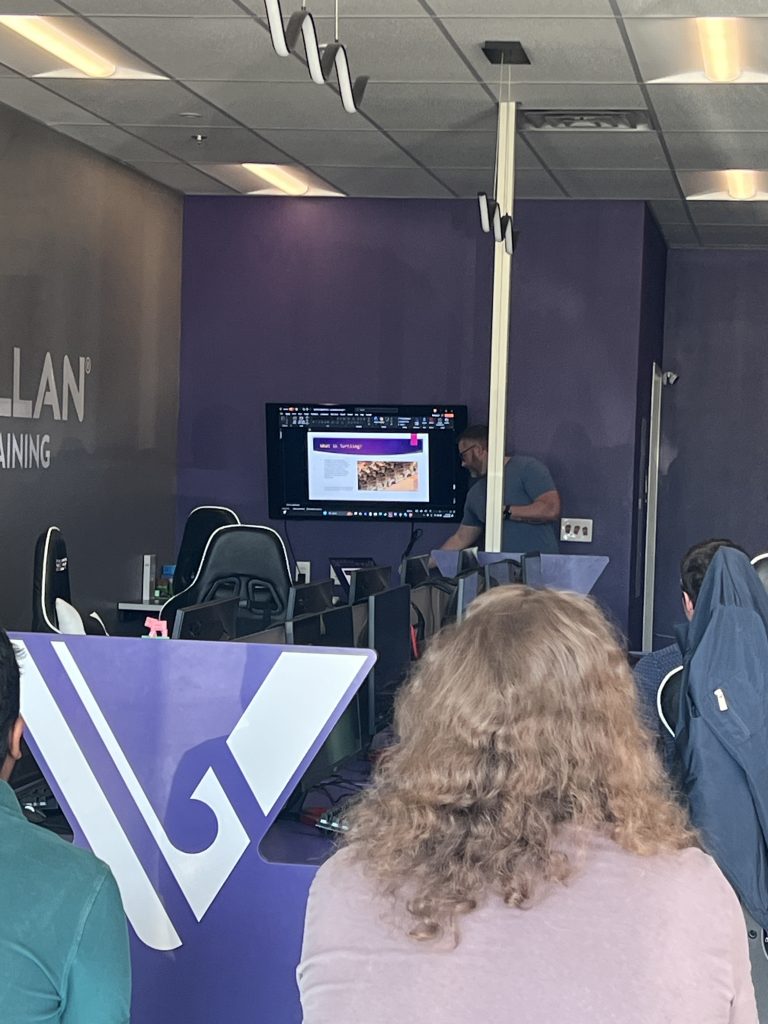
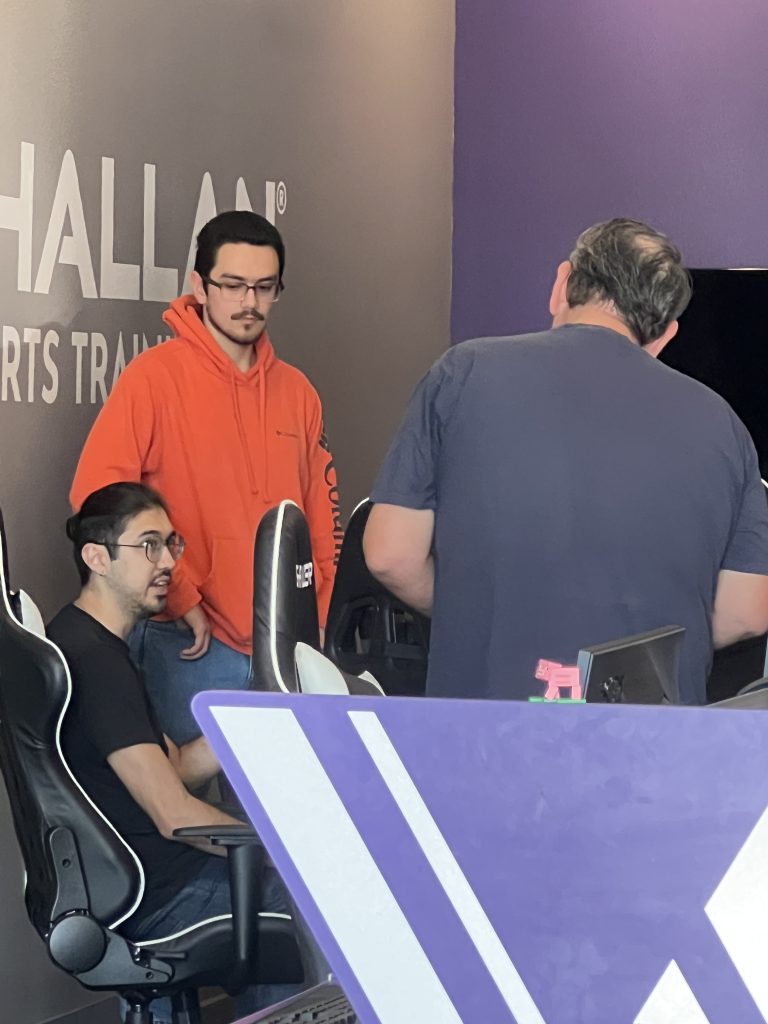
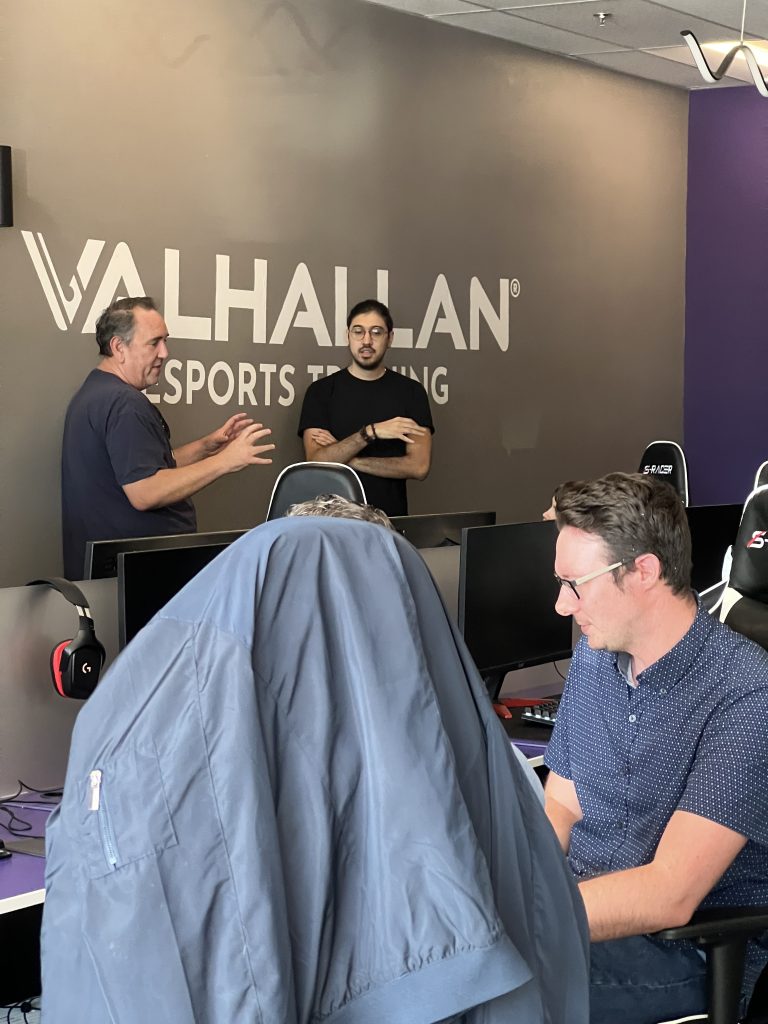
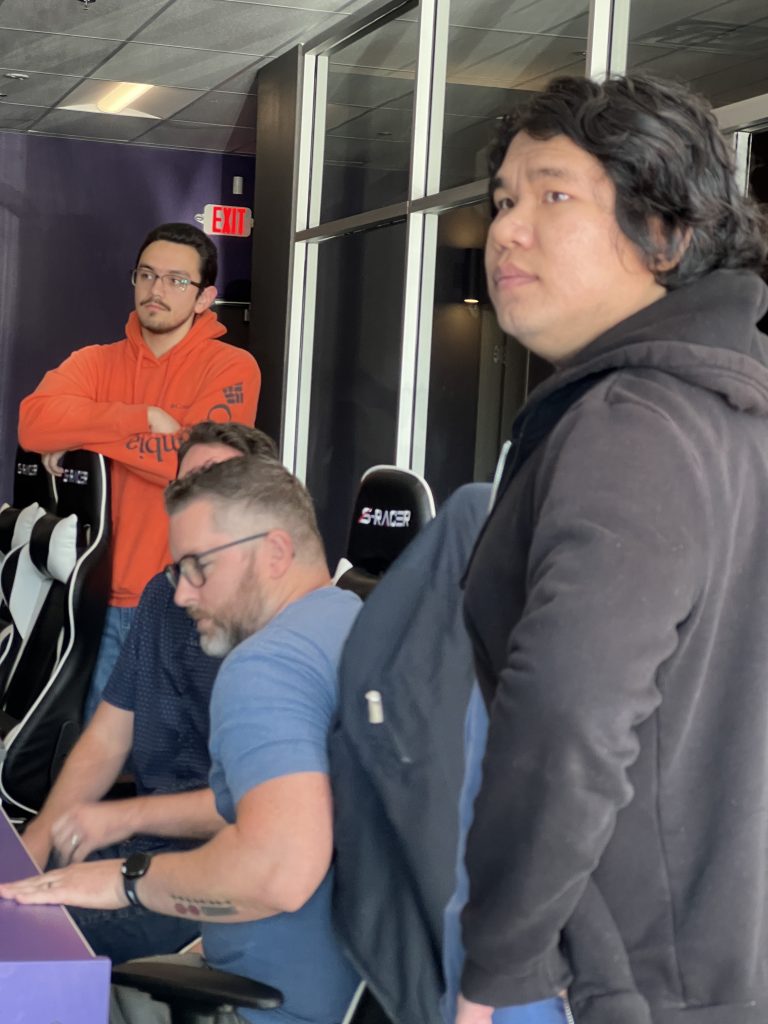
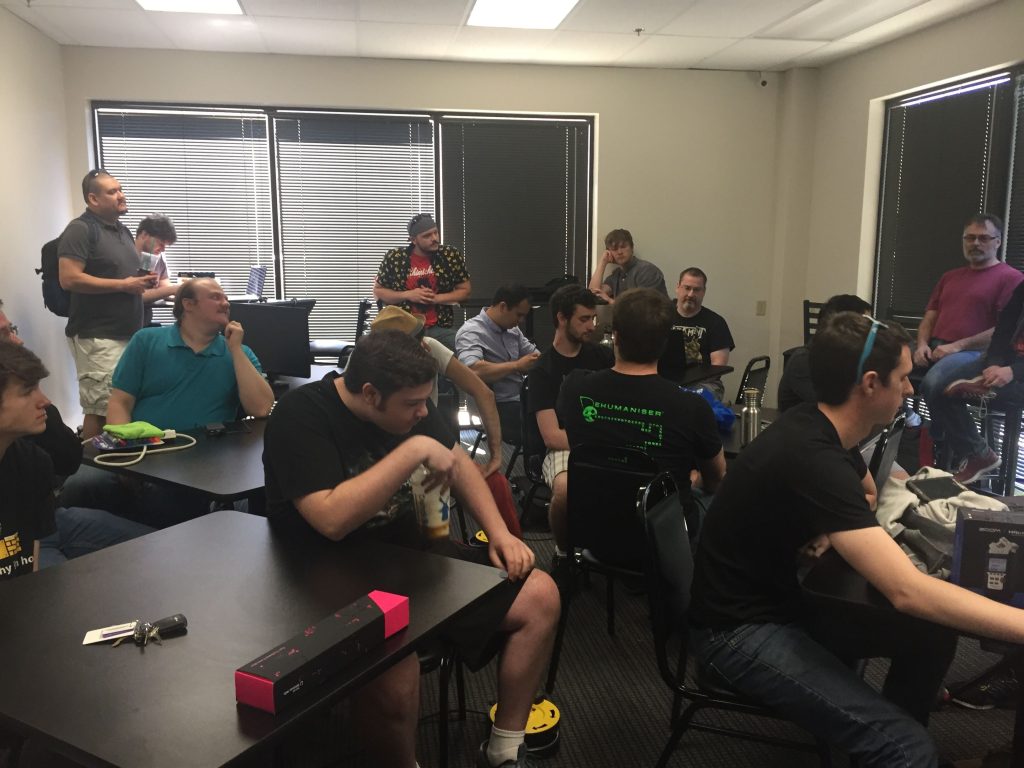
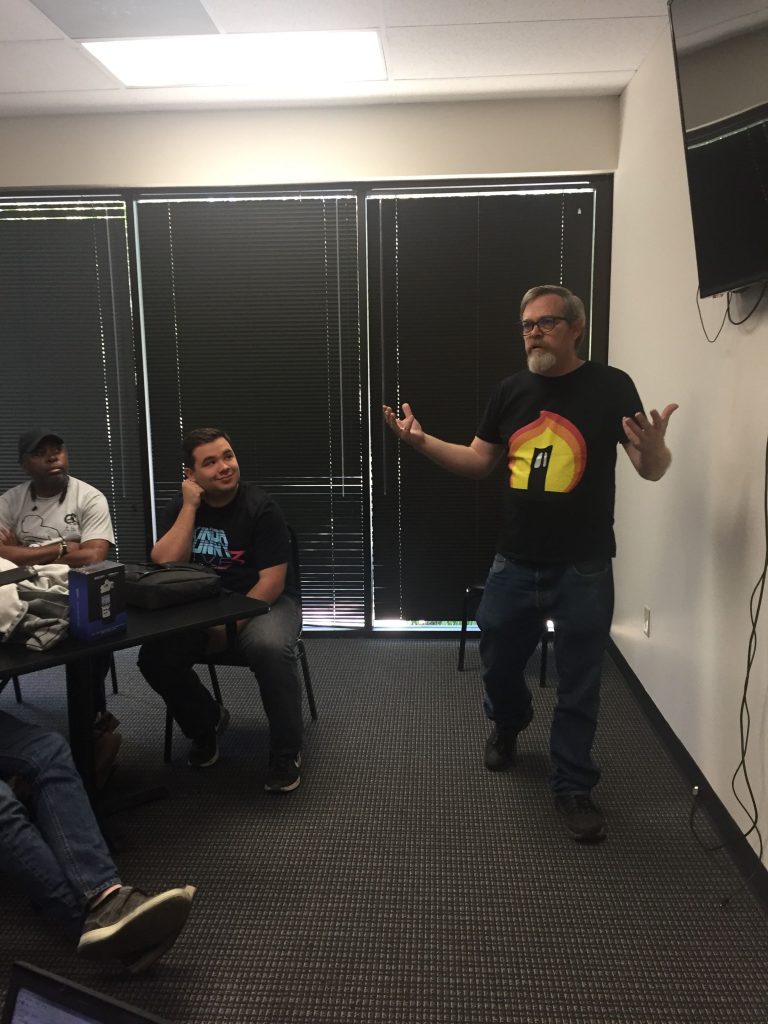
    Progressive Game Jam returned with a full room and a clear goal: build together, learn together, and arrive at Capital Creative Showcase with projects the community can be proud of. Session 1 took place at Valhallan Esports in Folsom, where about twenty developers, artists, writers, and students gathered to pitch ideas, form teams, and set their plan for the season.

    Two familiar faces helped get things moving. SDC veterans Brandon and Jim circled between groups, asked sharp questions, and encouraged anyone with an idea to speak up. That made the pitch round fast and friendly, which is exactly what you want on day one.

    A few early moments stood out. One team is exploring a revival of the old school RTS feel, complete with clear resource loops and snappy match flow. It’s the kind of back-to-basics pitch that gets heads nodding. We also heard genuine passion from a couple of high schoolers who came ready to learn, contribute, and ship something real. PGJ thrives on that mix of experience and fresh perspective.

    How this season works

    Teams will collaborate online between meetups, then check in monthly in person as they build toward Capital Creative Showcase. The format keeps scope realistic, gives accountability, and leaves room for course-corrections as prototypes evolve. Expect each session to include quick progress updates, focused problem-solving, and time for informal playtesting.

    Everyone is welcome. If you missed Session 1, you can still jump in to help a team with code, art, audio, design, writing, testing, or production support. PGJ is built for contributors at many levels. If you bring consistency and curiosity, you’ll fit right in.

    Progressive Game Jam is where Sacramento’s game dev community meets momentum. It’s a low-pressure way to practice teamwork, finish a playable slice, and learn modern tools by doing. You’ll leave each month with something concrete to show, feedback to act on, and a clearer path to your CCS deliverable.

    Get involved

    Want in? Join a team, volunteer as a mentor, or stop by the next in-person session to meet the group and see what’s in progress. Share your role, what you’d like to learn, and how many hours you can realistically commit. That’s all teams need to plug you in.

    Progressive Game Jam: How A Yearlong Jam Turns Ideas Into Games

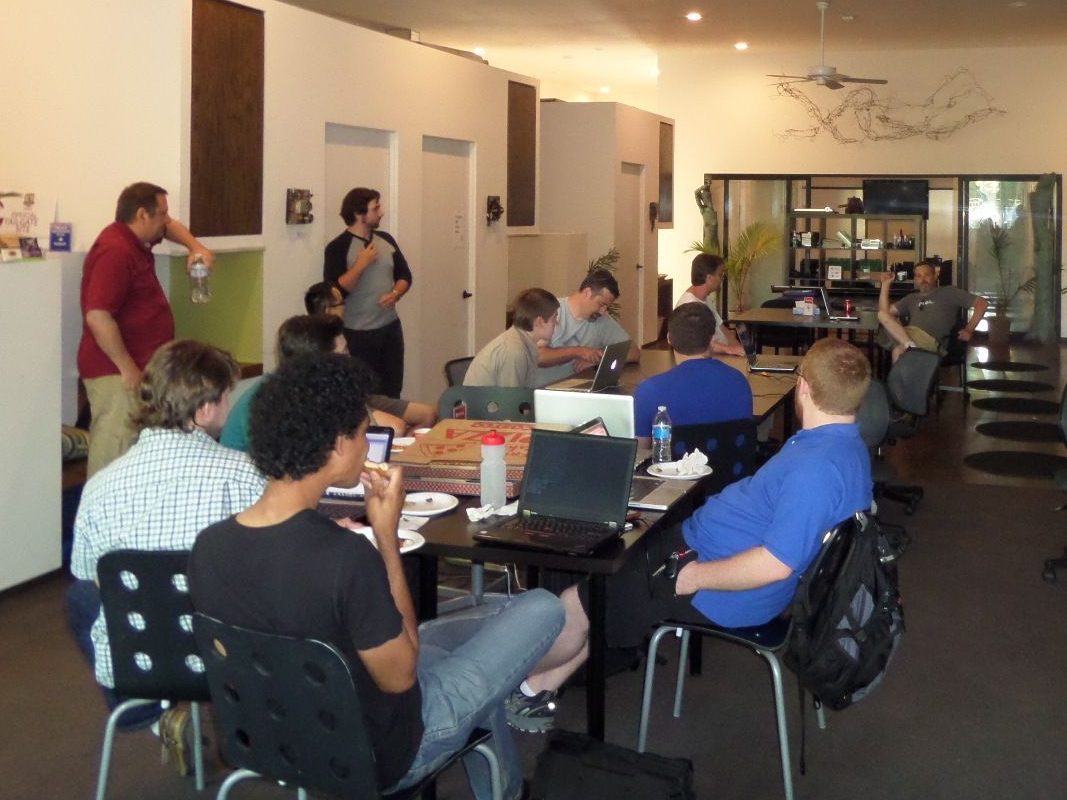
    The Progressive Game Jam is a simple idea with an outsized impact. Instead of cramming a whole project into a weekend, developers meet month after month, building the same game with the same team, and moving through a full development cycle. That long runway is what makes it special. It turns “someday we should make a game” into “we made one.”

    Why It Started

    Sacramento’s game-dev scene grew from a small meetup into a real community, but the standard 24- to 48-hour jams left many creators wanting more. In May 2014, a small group met to rethink the format. The goal was clear: give people enough time to design, iterate, test, and actually finish something. During that meeting, the phrase “progressive game jam” landed, and the first season launched soon after. The History of the Progressive …

    How It Works

    PGJ runs across many months, not days. It starts with pitches and team formation, then rolls into regular sessions where teams build in public. That cadence creates a natural rhythm: set a milestone, show it, get feedback, repeat. By the time showcase season arrives, teams have playable builds and a story to tell about how they got there. The format encourages good scope, shared ownership, and steady progress rather than crunch. The History of the Progressive …

    What It Produces

    Across its seasons, PGJ has incubated dozens of projects and shipped multiple public releases. Titles developed through the program include Bike Route: Sacramento, Overtime, and Raining Snakes, alongside a long list of in-progress games that kept momentum beyond the jam. Participation has spanned well over a hundred developers across dozens of teams, with roughly two-thirds of projects finishing or continuing after their season ends. PGJ History

    How It Helps Developers

    You learn the full cycle. Weekend jams are great for experimentation, but PGJ lets you experience concept, vertical slice, playtesting, polish, and handoff. That end-to-end view is what studios look for.

    You build a real portfolio. Showing a playable build at a public showcase beats a bullet point on a resume. It proves you can scope, collaborate, and deliver. The History of the Progressive …

    You find your team. Artists, programmers, designers, audio folks, and producers meet and make things together over months, not hours. You learn each other’s strengths and communication styles, which often leads to longer-term partnerships.

    You get accountability without burnout. Monthly milestones keep you moving, but the schedule is realistic. That steady pace is motivating and sustainable.

    You connect to the local scene. PGJ projects regularly appear at Sacramento developer showcases, putting teams in front of players, press, and potential employers. Those reps help with feedback, confidence, and visibility. The History of the Progressive …

    Where It All Leads

    The program’s structure creates a pipeline from idea to public demo, with many teams continuing past the jam to refine, publish, or spin up new projects together. Even when a game doesn’t ship, participants walk away with practical skills, credits, and connections they can carry into studios or indie ventures. That’s the real win: a healthier developer ecosystem with more people finishing what they start.

    Sources: Last Token Gaming

    Meet SDC Again: Who We Are and What We’re Building

    Sacramento’s creative community keeps growing, and the Sacramento Developer Collective is here to help it thrive. We’re a nonprofit that supports video game and creative developers by connecting peers, sharing practical skills, and hosting events across the region.

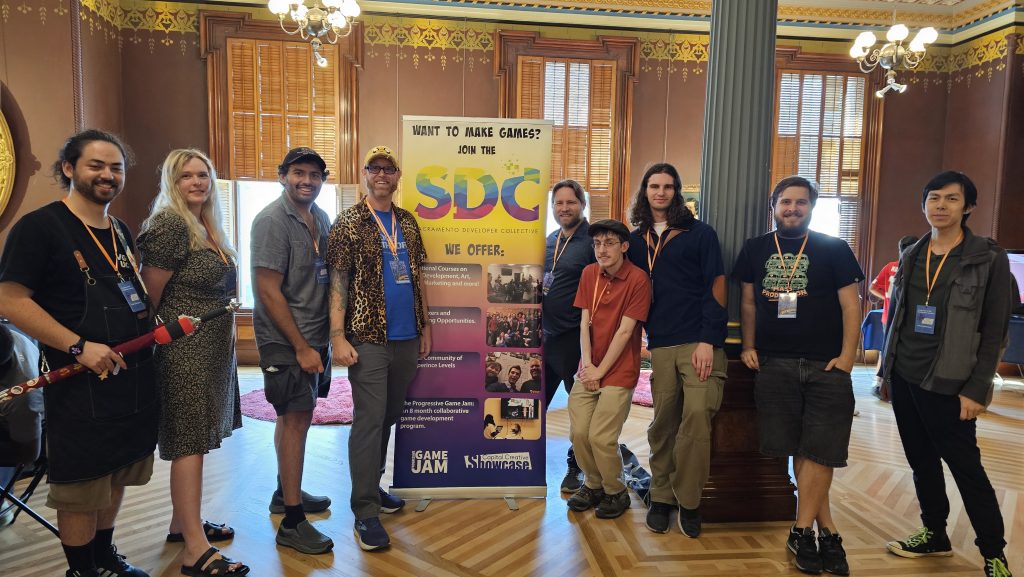
    A group of ten people wearing event badges pose around a colorful “Join the SDC” banner inside an ornate room with tall windows, wood floors, and chandeliers.

    Who We Are

    Founded in 2007, SDC gives Sacramento game developers, artists, writers, and students a place to meet, learn, and build together. What began as a grassroots meetup evolved into a registered nonprofit focused on growing the local video game and interactive media scene. Our monthly gatherings, game jams, and workshops created steady momentum that led to the Capital Creative Showcase, an annual public exhibition that now draws dozens of exhibitors and a growing audience.

    What We Do

    Our calendar blends hands-on learning with public visibility. Expect recurring meetups, jams, and workshops that teach real-world skills, plus larger events that put Sacramento creators in front of players, press, and partners.

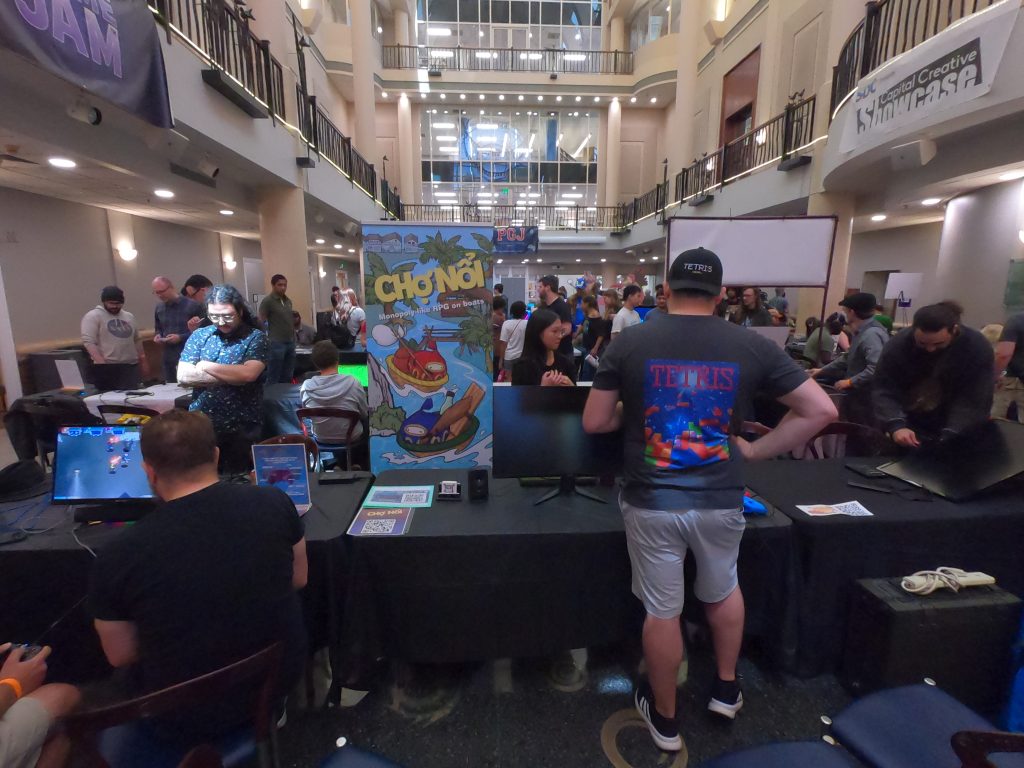
    Capital Creative Showcase is SDC’s annual expo spotlighting Sacramento’s game creators. It brings together indie studios, student teams, and community partners for a full day of playable demos, feedback, and networking. Newcomers get an easy entry point to meet the scene and see what’s being built. Teams gain a real chance to test projects with players, connect with media and mentors, and build momentum toward release.

    CCS 2025

    What’s Next

    Looking ahead, we’re launching a new series of interviews with local developers and creators to spotlight the people shaping Sacramento’s game scene, paired with practical tip posts that walk through the whole pipeline from concept to prototyping, playtesting, marketing, and publishing. We’ll fold those insights into meetups and workshops, give teams more chances to share works in progress, and keep expanding the community through the Capital Creative Showcase and year-round events. Connect with us on Instagram, Threads, and Twitter, and hop into our Discord for updates, calls for speakers, and demo opportunities.

    Get Involved!

    • Join us at upcoming meetups and community events.
    • Take part in Global Game Jam Sacramento.
    • Show your work at the next Capital Creative Showcase.
    • Hop into the Discord to meet collaborators and stay in the loop.

    If you’re building something or want to learn how, you’re welcome here. Come meet the community, share your progress, and help shape Sacramento’s creative future.