SDC Spotlight: Coin Drop Games on The Remake of the End of the Greatest RPG of All Time

There are games with bold premises, and then there is The Remake of the End of the Greatest RPG of All Time. Developed by Coin Drop Games, a team of college students led by developer and director Lucas Immanuel, this deduction puzzle game drops players into the final hour of a fictional lost 90s JRPG, armed with a physical manual, director commentary, and fragments of an unreleased amateur documentary. The central question the game asks: What is the Greatest RPG of All Time?

With the game releasing today, we sat down with Lucas to talk about the project’s unusual origins, the challenges of building a mystery around a game that never existed, and what it’s like shipping something this ambitious right before graduation.


For anyone hearing about the game for the first time, how would you describe it?

“It’s a deduction puzzle game set in the last hour of a lost, nonexistent, 90s JRPG, where players must use the game’s manual, director’s commentary, clips of unreleased amateur documentary and more to answer the question at the core of it all: ‘What is the Greatest RPG of All Time?’ It’s a long sentence.”

So we have to ask about the title. Where did that magnificently absurd name come from?

The title was actually the starting point for the entire project. Lucas had just come off two RPGs that required major cuts before shipping, one of which never shipped at all. Both had planned epic finales that never got made.

“When I took a games capstone class at my university, and they said ‘don’t make a hundred-hour RPG,’ my first thought was ‘what if I did anyway?’ So, having this idea to make the ending I never got to, I figured the joke would be way funnier if I pretended it was everyone’s favorite RPG.”

The reference point was Tenacious D’s Tribute, and the logic followed quickly from there: if it was everyone’s favorite RPG, it obviously had to be from the 90s. But Lucas had been doing art in the HD-2D style and wanted an excuse to use it, which meant the game needed to be a remake of that fictional classic. The full title locked in over the course of about a minute. TGRPGoAT beat out TGRPGEM on both humor and syllable count.

The game revolves around a “lost, nonexistent 90s JRPG” complete with manuals, director commentary, and documentary footage. What drew you to that concept of gaming archaeology?

“In the English-speaking world, JRPGs are a perfect ground for mystery, especially pre-mainstream internet JRPGs. There’s this language barrier between us and these original creators, there’s often very few interviews or sources of information from them, and the more legendary the creator the more awash with rumor and speculation a game’s development is. There’s something inaccessible and unknowable about the arcane magics that create a JRPG.”

But the feeling Lucas was really chasing wasn’t the schoolyard rumor era specifically. He was too young for that firsthand. Instead, the game is built around the emulator generation experience: pressing your nose to old games like aquarium glass and wondering not what they contain, but what it would have felt like to be there on release day.

The game has a strong meta-narrative structure. What were your biggest influences?

The list runs wide. The core RPG aesthetic draws from Chrono Trigger, Dragon Quest 3, and the Octopath games, with heavy inspiration from the RPG Maker scene and offbeat modern RPGs like In Stars and Time. The multilayered, fourth-hand storytelling structure came directly from reading Pale Fire and House of Leaves, though Lucas is quick to note the tonal differences are significant.

The FMV and documentary elements pull from early YouTube devlog culture and Angry Video Game Nerd-style reviews, with some DNA from The Rehearsal, This Is Spinal Tap, and Nirvana the Band the Show. Puzzle design draws from Tunic, Fez, Animal Well, and Return of the Obra Dinn.

“And of course we must pay tribute to our meta videogame forefathers, The Beginner’s Guide and UFO 50.”

There was also a brief, not entirely unserious discussion about scheming to get Jack Black to let them use Tribute as the end credits song.

The archival materials are a huge part of the experience. How much went into building those?

The manual was the hardest piece. It serves four functions simultaneously: carrying puzzle information, telling the in-game story, telling the story of the people who previously owned it, and fitting authentically alongside the real history of JRPG manuals. The team read through physical manuals sourced from friends and mentors and combed through the Internet Archive.

“There’s a few things that don’t line up quite with the era, but I feel very happy that we got close.”

How do you approach puzzle design when players are working across a manual, commentary tracks, videos, and live gameplay simultaneously?

“It’s all about pacing. The game starts very slow with enemies that you can kill just by guessing and checking, then asks you to kill an enemy with a combo and gives you only one combo, then asks you to select from among a set of combos, then figure out how to make new combos, etc.”

The design philosophy was largely emergent. Lucas describes an approach similar to Lucas Pope’s “doll-house” method: build a scene, write a script, record a commentary node, then work backwards to find the puzzle inside it. The puzzles built this way often ended up more clever than the ones designed puzzle-first, because they felt naturalistic to the genre.

Playtesting drove everything from there. If players solved it, it worked. If they tore their hair out, the team tightened or added information. And occasionally, a playtester would come up with a solution that was better than the intended one, which then became a valid solution.

One puzzle, involving MSPaint-style pages and combat rules as math operations, was cut after a playtester’s reaction made the call for him.

The game blurs fiction and reality throughout. How do you manage that as a designer?

“It’s a little scary unleashing the full might of the internet’s investigative power onto a game that has my real name in it.”

Lucas draws a firm internal line between himself and the fictional version of himself within the game. He refers to that character in the third person even when their histories intersect, and has tried to keep the mysteries carefully contained within the software and curated online spaces.

Most of the team is still in college. What has that balance looked like?

“Yeah, I’m graduating two weeks after we ship.”

The answer is that it has been genuinely hard, and the team has leaned on friends and family to make it work. Lucas also credits the separation between school life and development with keeping him sane throughout.

What has been the hardest part of developing the game?

“Unity.”

What has surprised you most from conventions and playtests?

“That there was feedback. My last game had 5 reviews on Steam, and this one has been seen by millions of people, wishlisted by tens of thousands. Insanely grateful and lucky to have been a part of this.”

The game was also nominated for an award at BitSummit during development, which Lucas describes as “pretty wild.”

Are you excited to see players theorycrafting online once the game is out?

“I’m so scared.”

Any advice for other indie developers on getting their game seen?

“We’ve done a ton of festivals. I think your job as an indie dev is not to market your game to players but to market it to those who will market it. Unless you’re already popular you’re not convincing the world to buy your game, you’re convincing the guy with the megaphone to do it.”

The breakdown he offers: funny or interesting premise means apply to festivals, because juries will enjoy it. Frenetic and energetic means post on social media constantly and optimize for virality. Multiplayer means get on TikTok and push social clips so players drag their friends in.

And finally, what is the Greatest RPG Ever Made?

“That’s a spoiler.”


The Remake of the End of the Greatest RPG of All Time is available now on Steam. Follow Coin Drop Games on their Steam developer page, and follow Lucas Immanuel at @lucasimmanuel on Bluesky and @bsmproductionsHD on Twitter.

SDC x GDC Partnership

Sacramento Developer Collective x GDC: A Major Step Forward for Our Community

SDC is proud to announce an official partnership with the Game Developers Conference — and it’s going to directly benefit Sacramento developers.

For years, the Sacramento Developer Collective (SDC) has worked to create opportunities for indie developers, students, and small teams to learn, connect, and grow.
This partnership with GDC is a huge milestone — not just for SDC, but for the entire Sacramento game development community.
GDC is the premier professional gathering for game creators, and this collaboration gives our community a stronger presence on the show floor, more visibility with industry leaders,
and more meaningful pathways for local developers to share their work with the world.

Why This Partnership Matters

  • Visibility for Sacramento developers: More eyes on the incredible projects being built here in our region.
  • Real opportunities for teams: Showcasing, networking, and connecting with publishers, funders, and collaborators.
  • Community uplift: SDC exists to help developers succeed — this partnership amplifies that mission at the biggest industry stage.

SDC Will Have a Booth at GDC

As part of this partnership, SDC will have an official booth at GDC where we’ll be showcasing games currently being made in the Sacramento community.
Our goal is simple: help developers get discovered, help projects gain traction, and help talented teams connect with the people who can support them.

10 Sponsored Developer Will Be Coming To GDC

We’re excited to share that SDC will be sponsoring 10 developers to attend GDC and show off their games.
These sponsored passes are a direct investment into our community — helping teams who might not otherwise be able to attend take a major step forward.

We also want to recognize how incredibly generous GDC has been in making this partnership possible.
Their support isn’t just symbolic — it materially helps developers get access to the world’s most important industry gathering.
We’re grateful, and we’re committed to making the most of this opportunity for Sacramento creators.

SDC Community Discount Code (GDC)

In addition to the sponsored passes, we’re also providing an SDC community discount code for anyone planning to attend GDC.
If you’re considering going, this is a great way to reduce the cost and join us on-site.

CODE: SDC10

Where to use it: Apply the code during GDC registration checkout here: https://gdc.informafestivals.com/2026/registrations/Attendee?_mc=barter_gdcsf_gdcsf_le_x_partner_2026?

What’s Next

Over the coming weeks, we’ll be sharing more updates — including future blog posts highlighting members of our community who receive sponsored passes,
as well as the games we’ll be showcasing at the SDC booth.

This partnership is about uplifting developers — especially indie teams and emerging creators — by giving them real opportunities to be seen, supported, and celebrated.
We can’t wait to share what’s next.
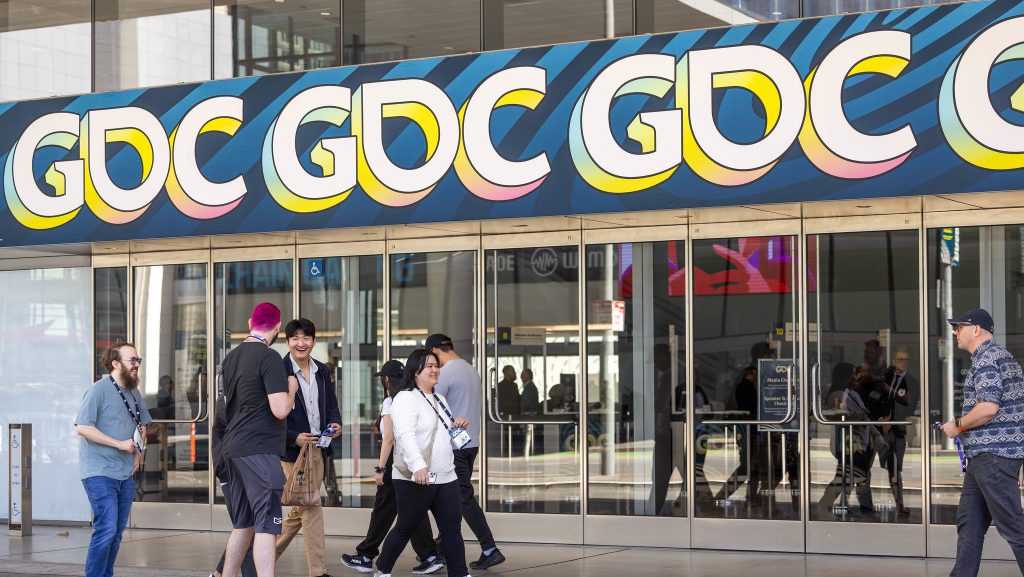

GDC 2026

March 9–13 • Moscone Center • San Francisco, CA
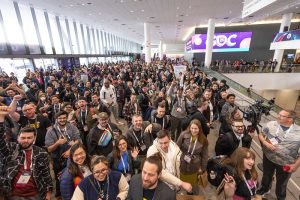
We’re thrilled to announce that the Sacramento Developer Collective (SDC) is an official partner of the GDC Festival of Gaming 2026 — an expanded, city-wide celebration where game creators from around the world come together to learn, connect, collaborate, and shape the future of gaming.For over three decades, the Game Developers Conference has been the must-attend event for professionals across game design, programming, art, audio, business, production, and more — bringing thousands of developers, speakers, partners, and innovators under one roof.


This year’s GDC Festival of Gaming (March 9–13, 2026) continues that legacy with:


✔️ World-class sessions on craft and industry trends
✔️ Deep-dive workshops and roundtables
✔️ Curated networking events to expand your community

✔️ Lounges, curated matchmaking, and facilitated meetings
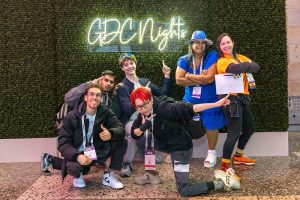
✔️ GDC Nights: celebrations, concerts, parties & awards galore


🎟 Special Discount for the SDC Community

As part of our partnership, we’re happy to offer our community an exclusive GDC discount!

👉 Use code: SDC10
💡 Applies to select GDC passes — enter the code during registration to save!

🔗 Official GDC Festival of Gaming site: https://gdconf.com/


🚀 Join Us in San Francisco

Whether you’re a seasoned pro, an indie creator, or just diving into game development, GDC is the place to:

Sharpen your craft
Build meaningful industry connections
Showcase your work
Discover what’s next in games