
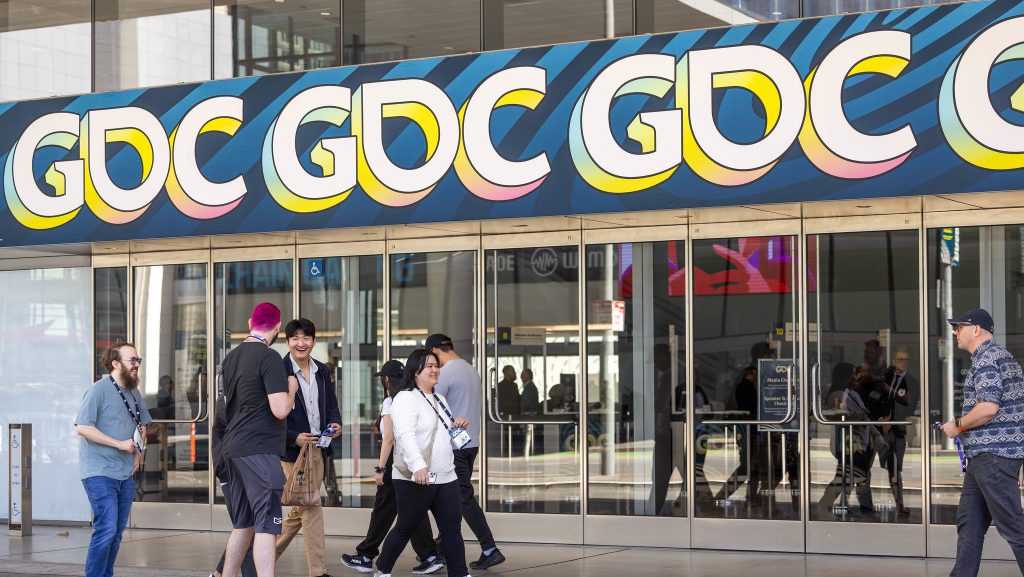
Every year, the Game Developers Conference (GDC)is the place where the game industry gets unusually accessible. It’s a week where the people who build games, fund games, publish games, market games, and support development all show up ready to talk shop. For indie developers, that’s rare. For the Sacramento Developer Collective community, it’s even better because it’s close enough to feel doable, and big enough to genuinely change what your year looks like afterward.
GDC 2026 runs March 9–13 at Moscone Center in San Francisco, and it’s leaning hard into a “Festival of Gaming” approach that blends conference sessions with meetups, show floor discoveries, and nightly events that make it easier to actually meet people instead of just sitting in talks all day.
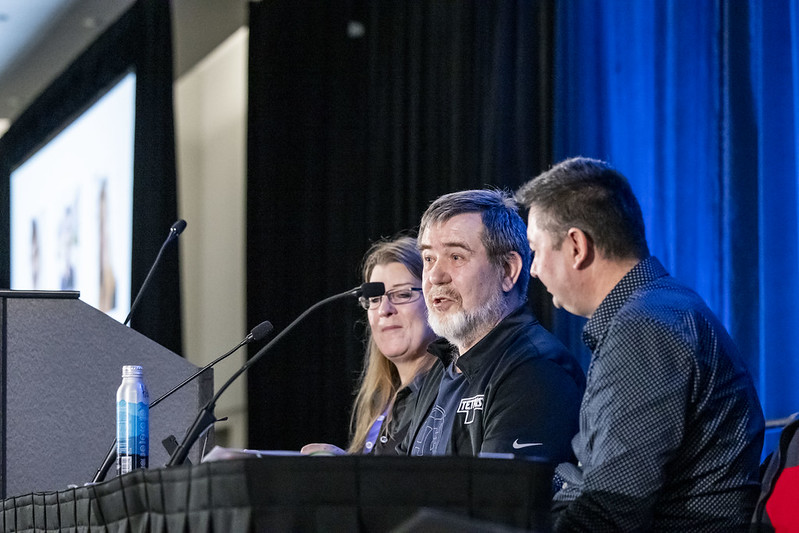
You Get Real Answers From People Who Have Shipped
Indie teams are always solving problems under pressure. Technical challenges, scope issues, marketing confusion, funding uncertainty, community building, hiring, production planning, you name it. GDC is useful because it puts practical knowledge in one place, across the whole lifecycle of making a game. The 2026 program is structured around 14 tracks, including independent development, design, narrative and performance, discovery and marketing, business strategy, production, and tools and tech topics.
It also includes “Summit Communities” that are meant to give you a home base during the week. If you’ve ever felt like your discipline gets lost in the shuffle at big conferences, these communities are designed to solve that. Independent Games is one, but there are also communities around things like UX, narrative, tools, game AI, level design, and more.
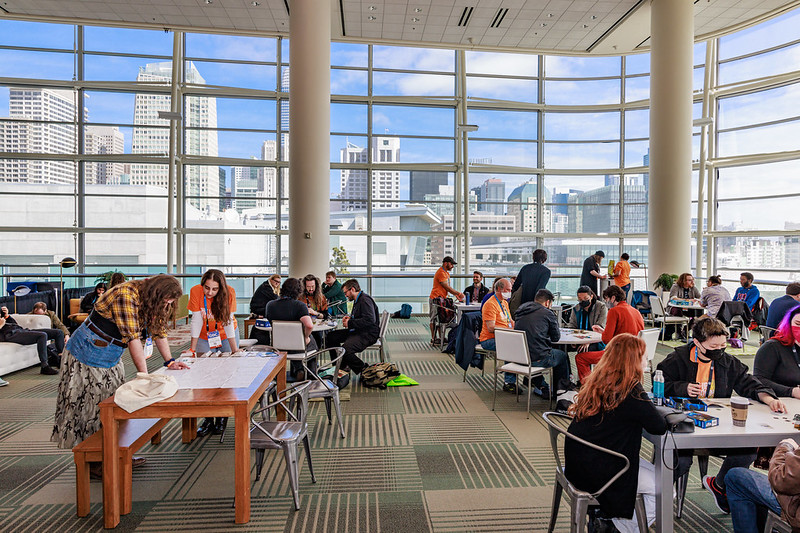
Networking Is Built In, Not Left to Luck
People joke about networking, but at GDC it’s not just “talk to strangers and hope it works out.” The event is intentionally structured around connection, with curated matchmaking, lounges, and meeting formats that make it easier to talk with purpose.
For SDC folks, this is where going together becomes a superpower. You can split up and cover more ground, compare notes at the end of the day, and introduce each other to people instead of doing everything solo. Even a small group makes the whole experience less intimidating and more productive.
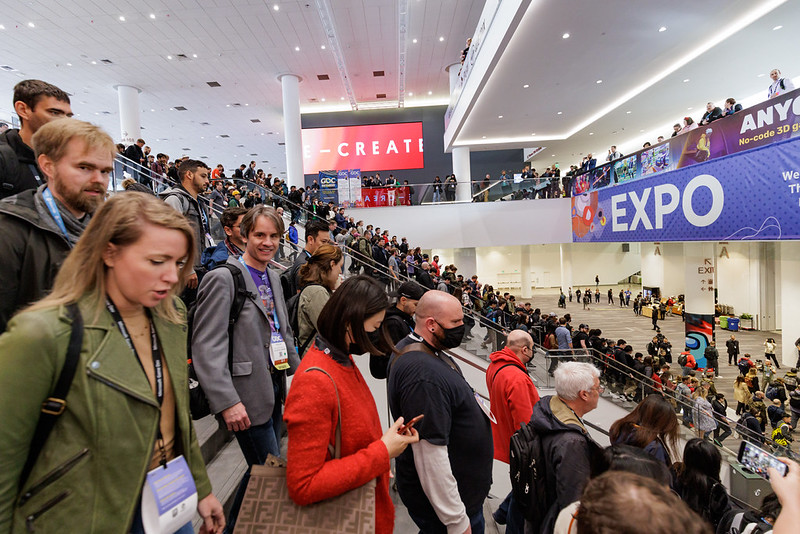
The Festival Hall Is a Cheat Code for Getting Oriented
If you’re an indie dev, the show floor is not just for playing demos. It’s where you can see the ecosystem up close. Tools, services, platforms, partners, and communities are all represented, which makes it a great place to get clarity on what’s worth your time and money this year.
GDC is also calling out a dedicated Indie and Education neighborhood in the Festival Hall, with its own stage for microtalks, fireside chats, and community meetups. For newer studios, that kind of focused space matters. It makes it easier to find your people and easier to learn in smaller, more approachable formats.
The Independent Games Festival is part of what makes GDC feel indie-friendly. In 2026, the IGF Pavilion runs from March 11–13, and the IGF Awards happen on March 11. Even if you are not submitting a game this year, IGF brings a real spotlight to independent work and attracts attendees who are specifically there to discover new games and new teams.
It’s More Affordable Than Ever
GDC has always had a “big conference price tag” reputation, but the 2026 structure offers more entry points than people realize.
There’s a Festival Pass with an early rate price, and there are also application based passes that are clearly aimed at small teams and students. The Early Stage Indie and Start up Pass is designed for studios and self employed professionals that have been operating less than five years, and the Academic Pass is available for verified students and faculty. There’s also a Digital Pass for people who cannot make the trip but still want the content and some networking access through the event app.
On top of that, SDC members can take 10% off using our discount code SDC10, which helps take some of the sting out of pass pricing.
For SDC specifically, the group discount is also worth paying attention to. If you can get 10 people going, there’s a discount on current Festival or Game Changer pricing, which is the kind of thing a community can actually pull off.
Why This Matters for SDC, Specifically
A lot of communities talk about “building connections,” but SDC is already doing the hardest part. People are making things, sharing work, showing up, and helping each other improve. GDC is a multiplier on that energy because it plugs a local scene into the wider industry for a week.
It also fits the practical reality of Sacramento. You are not flying across the country; you are making a short trip to San Francisco, and you can come back with fresh relationships, clearer plans, and new ideas you can share with the rest of the community.
If you want this to have maximum impact, the move is simple. Go in with a plan, and come back with a debrief. Pick a few focus areas, decide what “success” looks like for your week, and then share what you learned with other SDC members afterward. That’s how a conference trip turns into a community upgrade.